11
Years of environmental services and support
No Content Set
Exception:
Website.Models.ViewModels.Components.General.Banners.BannerComponentVm


Water
Urbanisation
With the project located in an urbanised, yet highly-sensitive riverine environment, specialist strategies and studies were required to effectively manage contaminated sediments, acid sulfate soils, dredging and discharges to the Swan River. Our team designed and conducted all environmental investigations, negotiated a referrals strategy with the Environmental Protection Authority (EPA), and developed referral documentation under Section 38 of the Environmental Protection Act (1986).
We worked strategically to ensure on-time delivery of the environmental investigations that fed into the 17 Management Plans required for Elizabeth Quay’s Environmental Protection Act submission. Following a formal briefing with the EPA Board, the project was “not assessed” ensuring forward construction works could commence 12 months earlier than would otherwise have been possible.
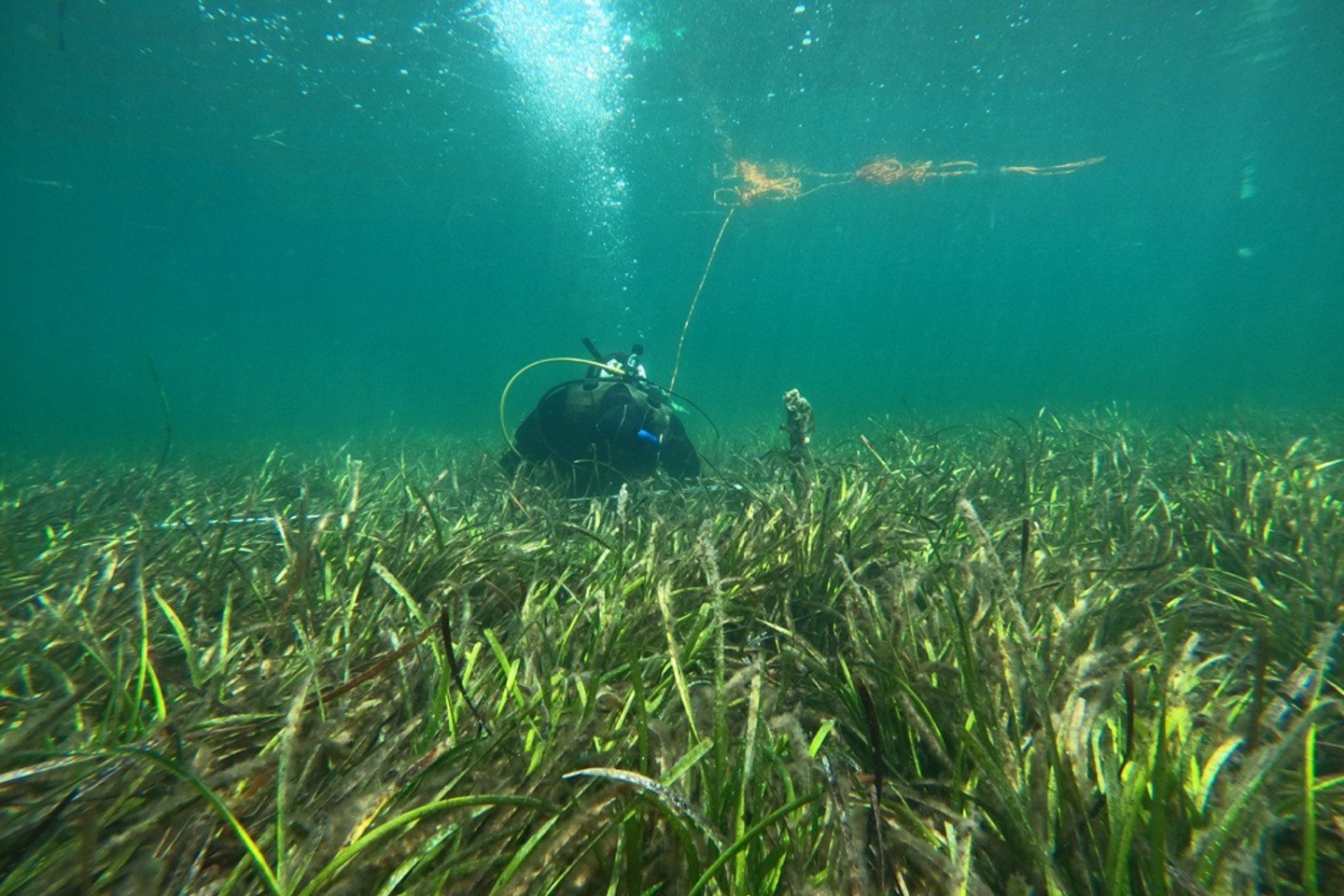
Among the many studies undertaken by RPS was a detailed review and survey of the benthic environment surrounding Elizabeth Quay, and a detailed assessment of the potential impacts from construction on the riverine environment. Specific consideration was given to managing the potential impact of underwater noise and vibration on bottlenose dolphins and other marine fauna during piling and excavation. Another key issue to assess and manage was the potential impacts of dredging on seagrasses and water quality in the Swan River.
We undertook detailed hydrodynamic modelling of the Swan River estuary to assess water quality, perform flushing analyses, and inform our dredge-dispersion modelling for the project. The model incorporated wind, tides, groundwater and river inflows plus comprehensive heat exchange, and was rigorously calibrated and validated against summer, autumn and winter datasets of water elevation, current velocity and temperature. This delivered robust, site-specific predictions of circulation for input to project design, layout improvements and environmental management.
A detailed dredge dispersion modelling study was conducted to predict the fate of sediment mobilised by the dredging and discharge operations associated with the project. The model outputs were post-processed to allow the expected impact on light climate to be assessed using parameters derived from site specific measurements. The results were correlated to known habitat areas to translate the effect on light climate to seagrass and benthic habitat health.
During construction, our team monitored water quality and assisted in segregating and screening contaminated soil stockpiles, providing guidance to the contractor on best excavation and soil handling practices. The extensive up-front material classification combined with effective site supervision reduced landfilling requirements meant soils could either remain where they were, or be sustainably reused on site. This approach generated significant cost savings for the client.
The data collected and comprehensive management framework developed by RPS helped to significantly de-risk the project, with no delays experienced during construction as a result of environmental issues.
No Content Set
Exception:
Website.Models.ViewModels.Components.General.Media.MediaComponentVm
11
Years of environmental services and support
17
Management plans
10
Hectares of waterfront public space
440 $ m
Revitalisation for Perth city
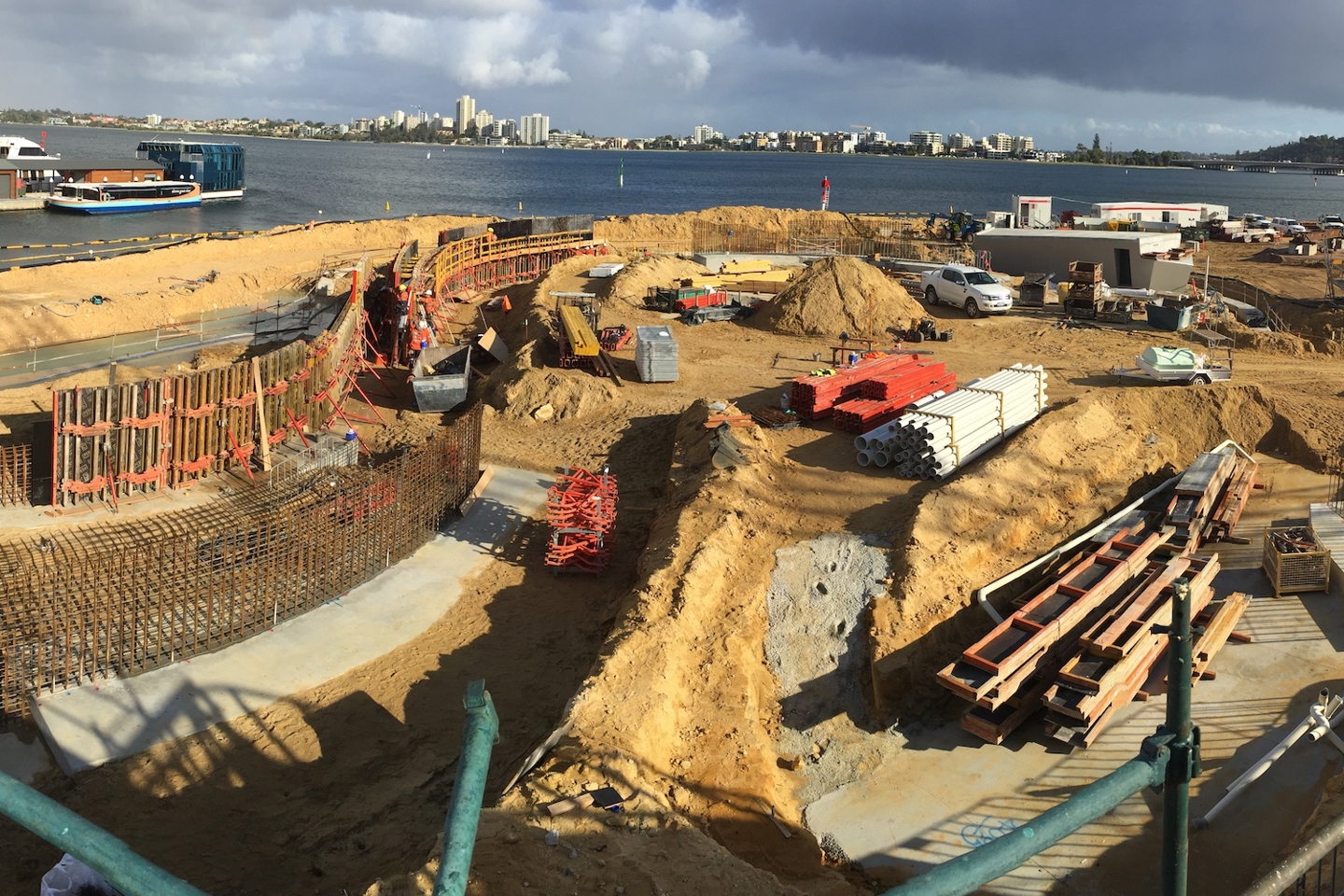
Images courtesy of MRA
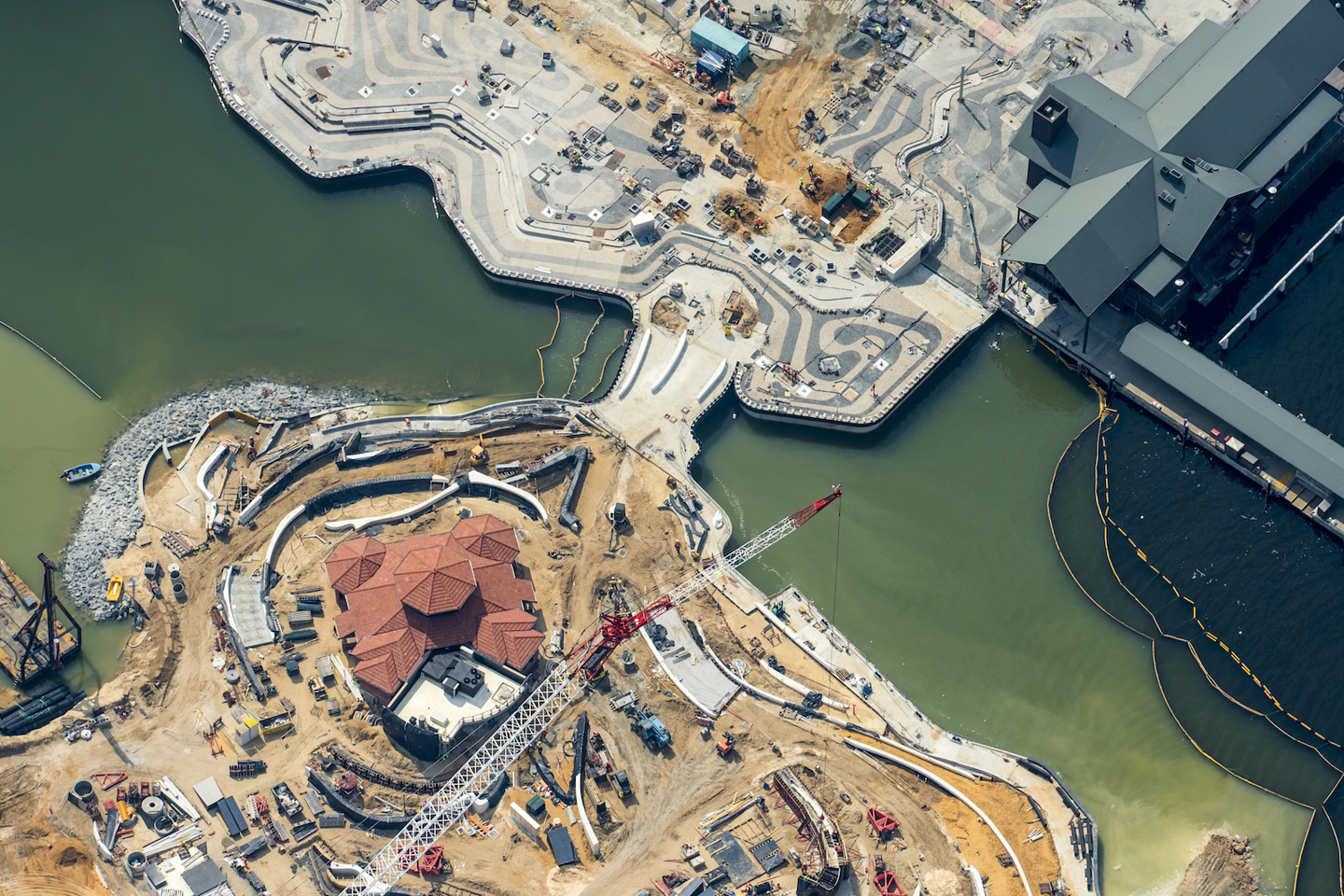
Images courtesy of MRA
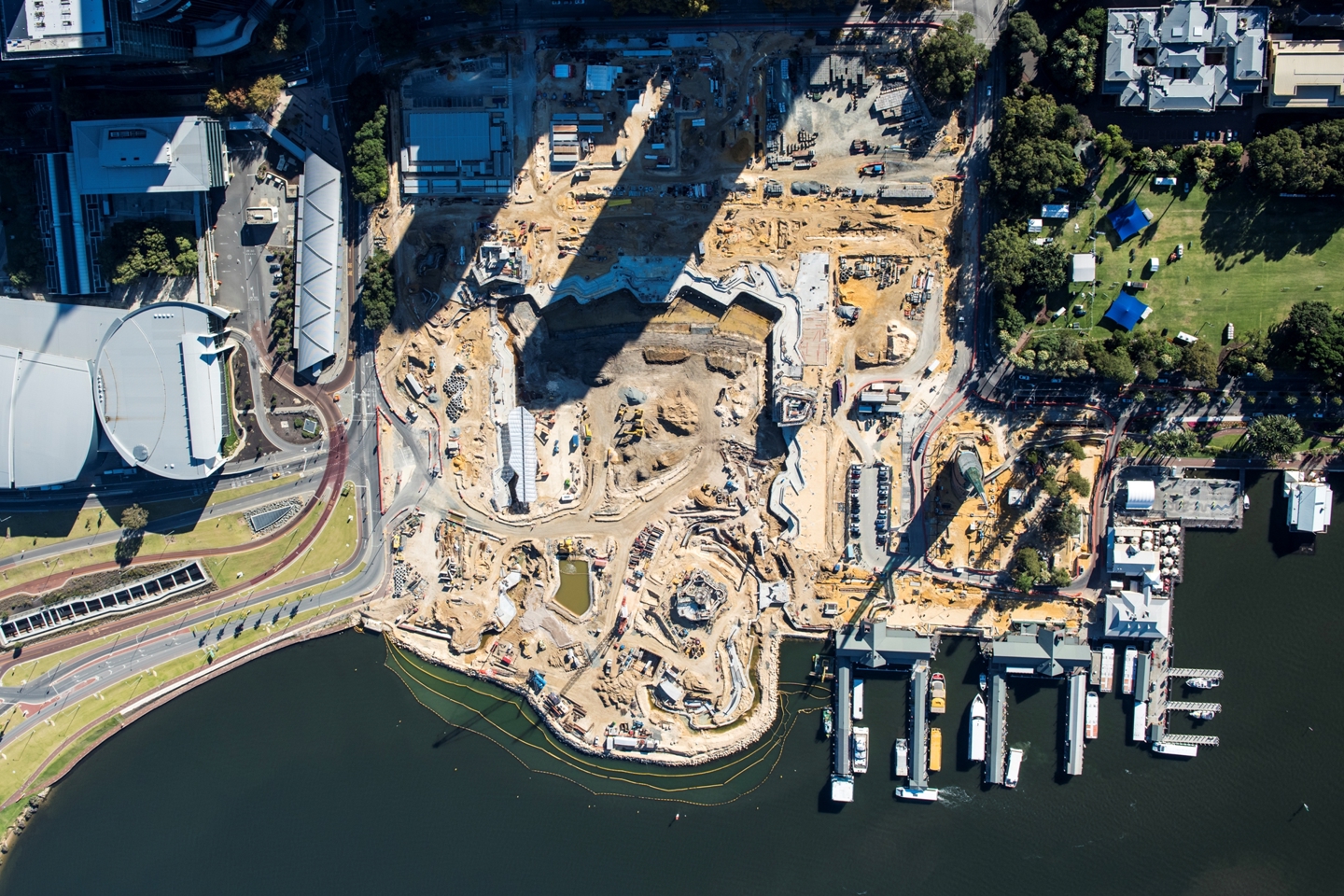
Images courtesy of MRA
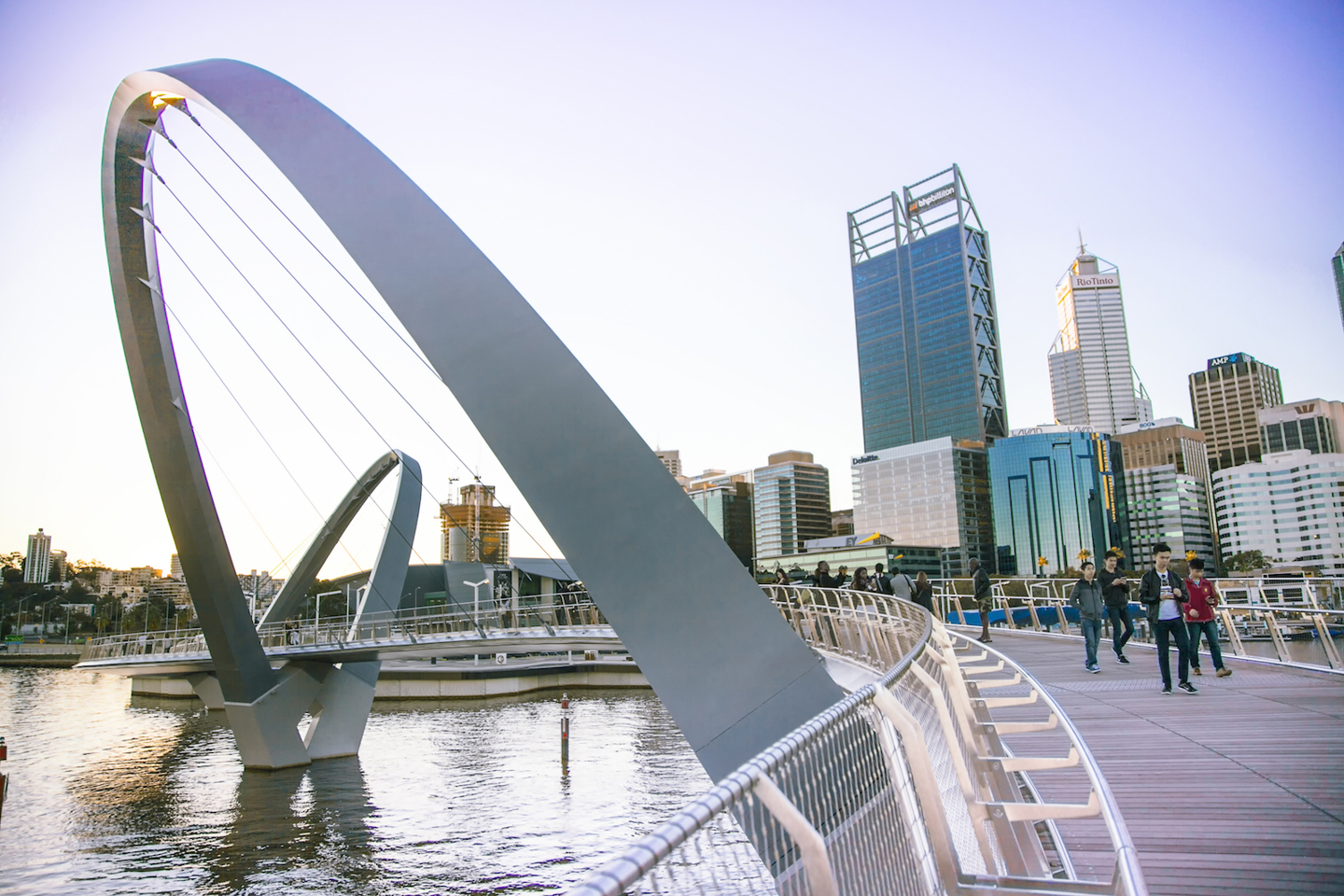
Images courtesy of MRA
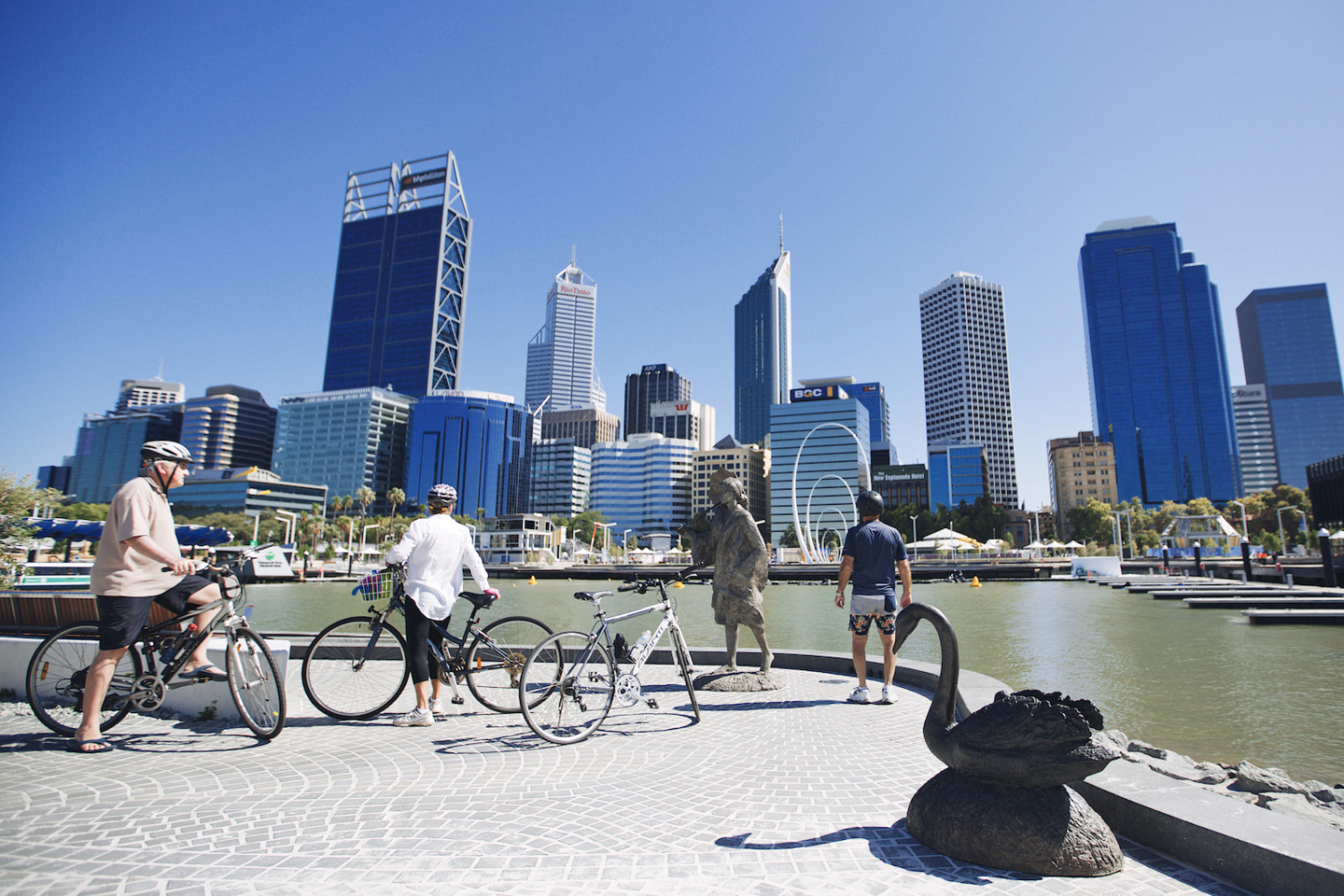
Images courtesy of MRA
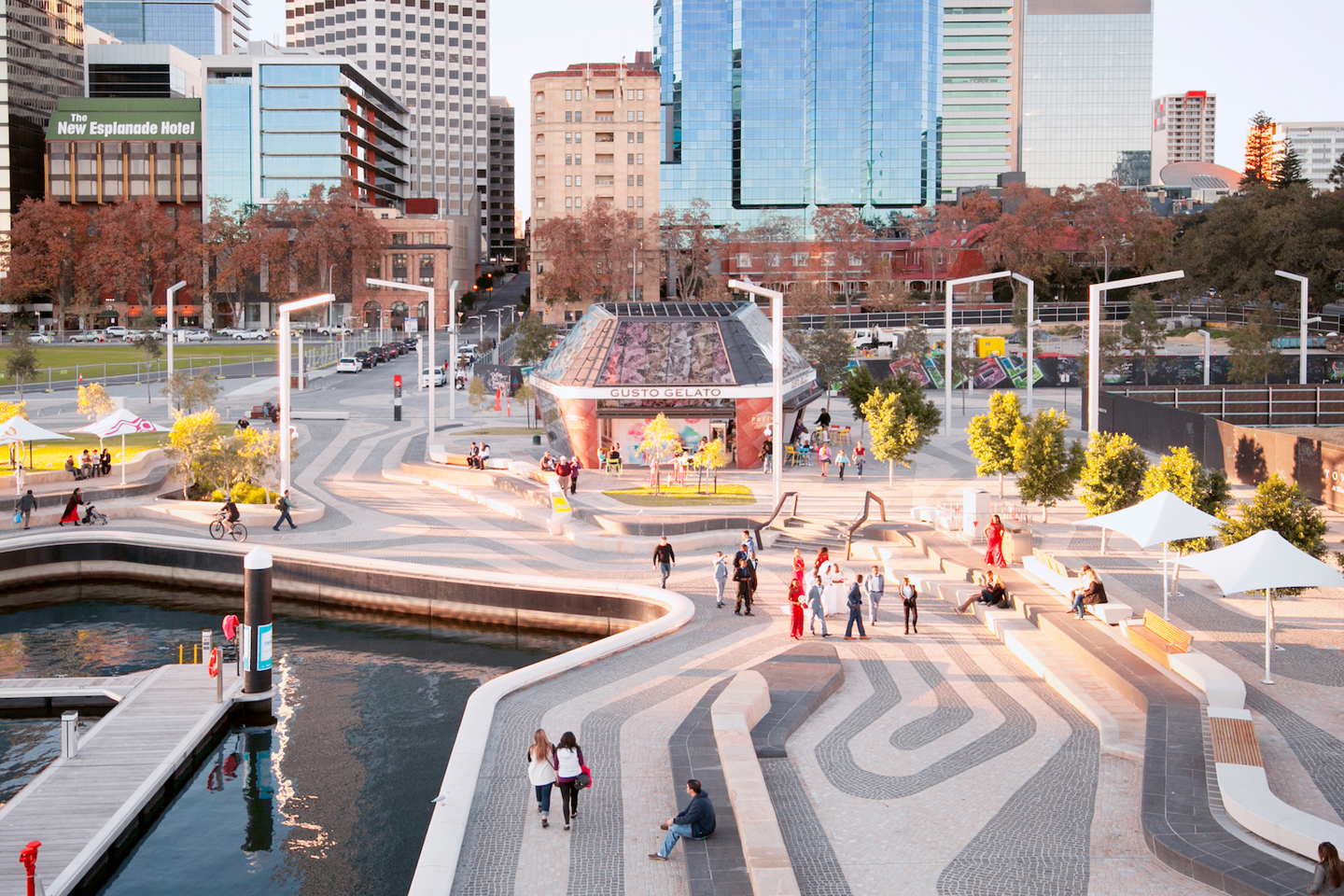
Images courtesy of MRA


Practice Leader - Environmental Management & Remediation

Technical Director - Environmental Planning & Assessment, Western Australia