Ecology
Ecological services and expertise to help you understand and manage your impact on plants, animals and ecosystems.
No Content Set
Exception:
Website.Models.ViewModels.Components.General.Banners.BannerComponentVm
Services
Technical services and consulting solutions for clients in the property, energy, transport, water, resources, defence and government sectors.
Advisory and management consulting
Communications, creative and digital
Design and development
Environment
Exploration and development
Health, safety and risk
Laboratories
Oceans and coastal
Planning and approvals
Project and program management
Training
Water services
Advisory and management consulting
RPS advisory and management consulting services for businesses and projects, including economics, due diligence, transaction advisory, ESG and more.
Communications, creative and digital
Communications, creative and digital solutions for governments and businesses including community engagement, design, research, data and software development.
Design and development
Technical and consulting services for buildings, infrastructure and cities including architecture, engineering, surveying, landscape architecture and urban design.
Environment
Environmental consulting solutions for responsible, resilient and sustainable development including impact assessment, ecology and contamination management.
Exploration and development
Technical services for energy projects including seismic operations, drilling and wellsite geology, reservoir management, independent reporting and more.
Health, safety and risk
From safety case development to emergency response strategy, discover services and expertise to reduce your risk profile and keep people safe.
Laboratories
Scientific analysis services for AgroScience, food safety, workplace exposure, environmental analysis and contaminants of concern in Europe and the UK.
Oceans and coastal
RPS technical solutions for marine infrastructure and offshore development including coastal engineering, marine biology metocean science, and emergency response.
Planning and approvals
Development strategy, planning and approval solutions for buildings, infrastructure, transport and city projects and investments.
Project and program management
Project management solutions for the most complex building, infrastructure, organisational change, and systems projects.
Training
Specialist training services, programs and accreditation for health, safety and risk, project management, and energy sector capability development.
Water services
Solutions for the water sector including quality monitoring, modelling, infrastructure design, engineering and asset management.
Sectors
World-leading technical and consulting solutions for clients in the property, energy, transport, resources, water, defence and government sectors.
Property
Energy
Transport
Defence and government services
Water
Resources
Property
Design, technical and advisory services for the property sector, including residential, commercial, retail, industrial, health, education and data centre projects.
Energy
Energy exploration, development and optimisation solutions for renewables, power and gas networks, energy storage, oil and gas and nuclear facilties.
Transport
Smart, safe and sustainable transport infrastructure development services and advice for rail, aviation, port and road clients and projects.
Defence and government services
Expertise for defence capability and infrastructure investments, security and safety projects, and information and telecommunications initatives.
Water
Discover our industry-leading strategy, design and management solutions for wastewater, groundwater, flooding, drainage and network infrastructure.
Resources
Commercial data, design advice and technical management solutions for safe and environmentally responsible resource exploration and operations.
Technical services and consulting solutions for clients in the property, energy, transport, water, resources, defence and government sectors.
Advisory and management consulting
Communications, creative and digital
RPS advisory and management consulting services for businesses and projects, including economics, due diligence, transaction advisory, ESG and more.
Project investment and finance
Business strategy and improvement
Explore Advisory and management consultingCommunications, creative and digital solutions for governments and businesses including community engagement, design, research, data and software development.
Creative, visualisation and immersive design
Data management, analytics and insights
Software design and implementation
Explore Communications, creative and digitalTechnical and consulting services for buildings, infrastructure and cities including architecture, engineering, surveying, landscape architecture and urban design.
Environmental consulting solutions for responsible, resilient and sustainable development including impact assessment, ecology and contamination management.
Acoustics, noise and vibration
Contaminated land and remediation
Environmental Impact Assessment
Environmental permitting and compliance
Sustainability and climate resilience
Explore EnvironmentTechnical services for energy projects including seismic operations, drilling and wellsite geology, reservoir management, independent reporting and more.
Asset and reservoir management
Drilling support and wellsite geology
Field development planning and operations
Reserves and independent reporting
Seismic operations management and support
Exploration and appraisal studies
Unitisation and equity determination
Unexploded ordnances (UXO) and Explosive remnants of war (ERW)
Explore Exploration and developmentFrom safety case development to emergency response strategy, discover services and expertise to reduce your risk profile and keep people safe.
Asbestos and hazardous materials management
Construction (design and management) principal designer
Health, safety, risk assessment and management
Explore Health, safety and riskScientific analysis services for AgroScience, food safety, workplace exposure, environmental analysis and contaminants of concern in Europe and the UK.
RPS technical solutions for marine infrastructure and offshore development including coastal engineering, marine biology metocean science, and emergency response.
Commercial fisheries advice and services
Marine site investigation and geoscience
24/7 response modelling and support services
Marine life mitigation - PSOs, MMOs and PAM
Metocean, Science and Technology
Explore Oceans and coastalDevelopment strategy, planning and approval solutions for buildings, infrastructure, transport and city projects and investments.
Project management solutions for the most complex building, infrastructure, organisational change, and systems projects.
Cost management / quantity surveying
Explore Project and program managementSpecialist training services, programs and accreditation for health, safety and risk, project management, and energy sector capability development.
Capability development and training for the energy sector
Explore TrainingSolutions for the water sector including quality monitoring, modelling, infrastructure design, engineering and asset management.
Water quality modelling and monitoring
Water and wastewater network modelling and asset management
Water and wastewater infrastructure design
Explore Water services
World-leading technical and consulting solutions for clients in the property, energy, transport, resources, water, defence and government sectors.
Design, technical and advisory services for the property sector, including residential, commercial, retail, industrial, health, education and data centre projects.
Energy exploration, development and optimisation solutions for renewables, power and gas networks, energy storage, oil and gas and nuclear facilties.
Smart, safe and sustainable transport infrastructure development services and advice for rail, aviation, port and road clients and projects.
Expertise for defence capability and infrastructure investments, security and safety projects, and information and telecommunications initatives.
Organisational strategy and change
Explore Defence and government servicesDiscover our industry-leading strategy, design and management solutions for wastewater, groundwater, flooding, drainage and network infrastructure.
UK and Ireland regulated water asset management
Explore WaterCommercial data, design advice and technical management solutions for safe and environmentally responsible resource exploration and operations.
We define, design and manage projects that create shared value to a complex, urbanising and resource-scarce world.
Brilliant minds finding solutions to complex problems, made easy to understand. Making complex easy.
Ireland
Dr Rob Rowlands is our Director of Ecology in the Republic of Ireland. He's worked in private consultancy practice for 22 years, advising landowners and developers with respect to the environmental planning policy and legislative requirements of their development projects. We sat down with Rob to discuss his career so far, how the field has evolved since starting in the industry, and where he sees it heading in the future.
My interest in the natural environment began at a young age, I grew up on a farm in the Dyfi Estuary in Mid Wales and was surrounded by nature and biodiversity. I got to see the raised bog ripple as I walked across it, spent hours fishing along the Llyfnant river, and watched swarms of bats emerge from the roosts in the farmhouse. On occasion I also found them finding them in my slippers in the morning! These experiences got me hooked on nature.
I went on to complete my honours degree at the University of Wales and one particular field trip stands out. We were visiting the Burren, Co. Clare to learn about that incredible landscape and the ecology it supports, and I remember being amazed that you could find around 75% of all Irish plant species within this small and special part of the country. This experience got me hooked on the Burren and Ireland in general.
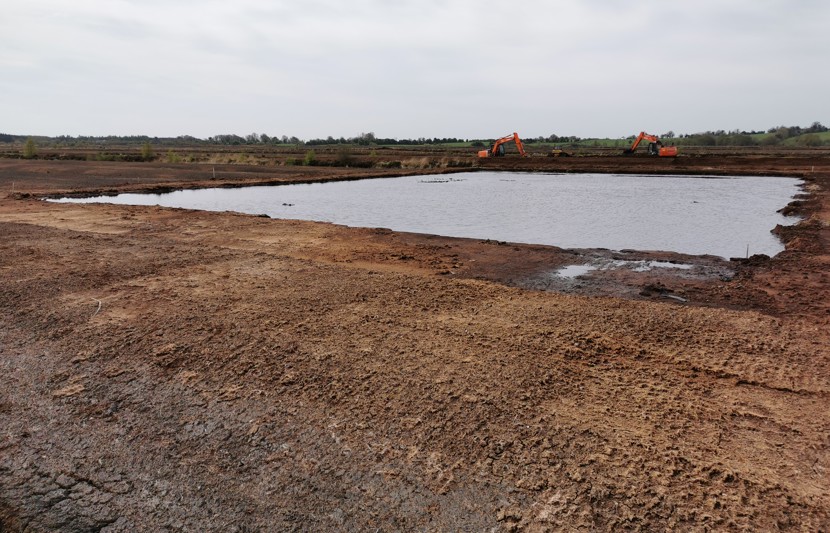
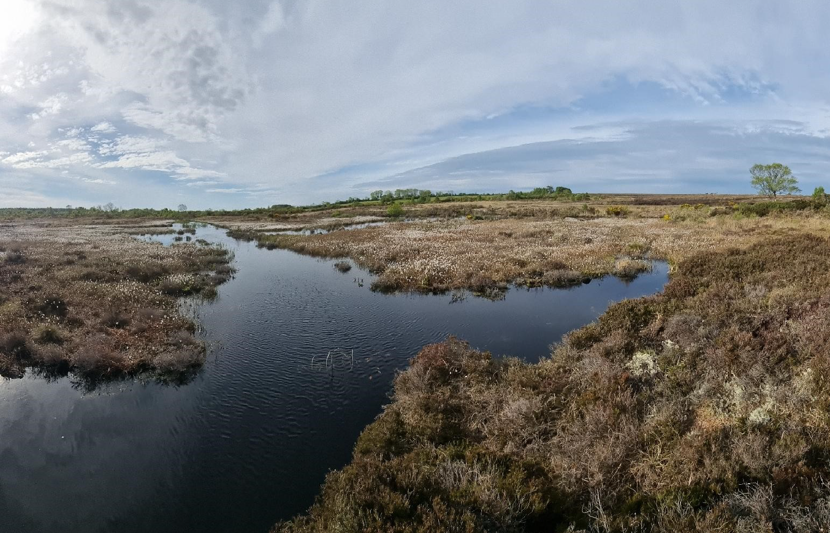
I was fortunate to get the opportunity to complete a PhD at University College Dublin. The research was sponsored by Bord na Móna and sought to understand the natural revegetation process on industrial cutaway peatlands in the Irish Midlands. It was fascinating to see the natural capacity of ecosystems to heal themselves and how diverse they could become if given optimal starting conditions.
Since completing my academic studies, I have worked as a professional ecologist in private practice, becoming a full member of the Chartered Institute of Ecology and Environmental Management (MCIEEM) and Chartered Environmentalist (CEnv) in 2005/6. I’ve had the opportunity to work on a diverse range of private and public-sector projects over that time; mainly in the UK and most recently, having moved back in 2020, in Ireland. In that time it's been my pleasure to grow and lead teams of ecologists and help develop their skills and build their careers.
The fundamental skills that you need as a professional ecologist haven’t really changed much. You need excellent field skills to identify the habitats or species that you’re surveying and assessing. You also need to understand the processes which underpin the presence of those habitats and species within the landscape. But what is changing is the technology available in your toolbox. For example, the use of eDNA for species identification or the use of machine learning algorithms for habitat mapping and identification.
The legislative and policy context we work within has also changed significantly. When I began my professional career, legislation and policy mainly sought to 'retain and protect' ecological resources 'where possible'. I’m glad to say things have moved on significantly. Now it’s a requirement (in some cases mandatory) to ensure no net loss, or to achieve net gain, of biodiversity. And increasingly moving towards net recovery. The world is finally waking up to a reality that ecologists have known for decades - there is a biodiversity crisis, and we need to address it. It’s an exciting time to be a professional ecologist.
Essentially, it’s using remote sensing satellite imagery to map areas of difference or similarity. We then look at what habitats are in those areas, and use it as training data to feed into our algorithm. This assures us of the mapping accuracy the remote sensing technology has done, and we're then able to use that with a high level of confidence in projects for baseline habitat mapping.
This provides huge value in terms of the accuracy of the data that you're collecting. It also means we can prioritise the areas we target for particular surveys easier, and use our experienced surveyors as efficiently as possible.
By protecting, restoring and managing ecosystems, we can enhance biodiversity, alleviate flood risk, and reduce carbon emissions, either by storing carbon or by preventing its release.
Nature-based solutions are part of the toolbox we have to help us prevent climate change. For example, they're gaining traction in the policy agenda and in flood alleviation, providing more sustainable solutions compared to the traditionally favoured hard-engineering. I don't think you'd be able to go completely away from the hard engineering solutions, but it's certainly part of the answer.
The Irish Government recently announced the 2,000-hectare nature restoration project in Glenasmole Valley which will look at peatland restoration to boost water quality and reduce flood risk downstream in the River Dodder. Using these nature-based solutions, there's the potential to think a bit more creatively in terms of the solutions available. They could be beneficial in terms of not only biodiversity but also people, health, all these other things.
I think what we need is to think about how the benefits are stacked with those solutions. So in Glenasmole, you're not just dealing with the flooding issue, you're dealing with the biodiversity crisis, you're dealing with carbon sequestration and loss. You're talking about a public amenity, so there are multiple stacked benefits from one action.
They are two very different concepts/solutions in my mind, and I stress that the following are my personal views.
Re-wilding can paint quite a purist, idealistic, picture of what a particular landscape should look like and how it should function. It doesn’t necessarily account for the fact that humans are part of that landscape and, in the case of Europe, have had a significant hand in the formation and maintenance of many of the landscapes, habitats and species that we value. If we exclude humans from the picture, we risk discounting or ignoring the impacts on other aspects of that landscape such as local communities, culture and native languages. I've experienced this first-hand from the community response to re-wilding attempts in the Cambrian Mountains of mid-Wales. I'm not opposed to the concept of re-wilding but believe it must be inclusive, rather than exclusive, of the communities which are subject to or affected by re-wilding activities.
Nature-based solutions perhaps offer a more pragmatic approach to finding sustainable solutions to the challenges we face either socially, economically, or environmentally. Often one solution can deliver on all three fronts and deliver multiple stacked benefits e.g. flood management, biodiversity restoration, carbon sequestration and amenity/recreational value. They tend to be more inclusive of the local communities which are subject to or affected by nature based solutions and, often, those communities can benefit quite significantly from them.
I think there's a significant risk of greenwashing unless a transparent, measurable and accountable approach is implemented to document and protect the gains which are delivered. Personally, I favour a more quantitative, rather than qualitative, approach to accounting for net gain. I also favour a mandatory requirement for projects seeking consent to demonstrate how net gain will be delivered and secured by the project in perpetuity.
Seems fairly basic, however, I would make it a mandatory requirement that any project seeking planning consent in Ireland is informed and supported by an Ecological Impact Assessment (EcIA) prepared by a competent ecologist and with reference to CIEEM’s published guidance and that the mitigation measures identified within that EcIA are secured through appropriate planning conditions or, if necessary, other legal mechanisms.