
Kate Eskdale
Executive Consultant - Communications and Engagement
No Content Set
Exception:
Website.Models.ViewModels.Components.General.Banners.BannerComponentVm

Services
Technical services and consulting solutions for clients in the property, energy, transport, water, resources, defence and government sectors.
Advisory and management consulting
Communications, creative and digital
Design and development
Environment
Exploration and development
Health, safety and risk
Laboratories
Oceans and coastal
Planning and approvals
Project and program management
Training
Water services
Advisory and management consulting
RPS advisory and management consulting services for businesses and projects, including economics, due diligence, transaction advisory, ESG and more.
Communications, creative and digital
Communications, creative and digital solutions for governments and businesses including community engagement, design, research, data and software development.
Design and development
Technical and consulting services for buildings, infrastructure and cities including architecture, engineering, surveying, landscape architecture and urban design.
Environment
Environmental consulting solutions for responsible, resilient and sustainable development including impact assessment, ecology and contamination management.
Exploration and development
Technical services for energy projects including seismic operations, drilling and wellsite geology, reservoir management, independent reporting and more.
Health, safety and risk
From safety case development to emergency response strategy, discover services and expertise to reduce your risk profile and keep people safe.
Laboratories
Scientific analysis services for AgroScience, food safety, workplace exposure, environmental analysis and contaminants of concern in Europe and the UK.
Oceans and coastal
RPS technical solutions for marine infrastructure and offshore development including coastal engineering, marine biology metocean science, and emergency response.
Planning and approvals
Development strategy, planning and approval solutions for buildings, infrastructure, transport and city projects and investments.
Project and program management
Project management solutions for the most complex building, infrastructure, organisational change, and systems projects.
Training
Specialist training services, programs and accreditation for health, safety and risk, project management, and energy sector capability development.
Water services
Solutions for the water sector including quality monitoring, modelling, infrastructure design, engineering and asset management.
Sectors
World-leading technical and consulting solutions for clients in the property, energy, transport, resources, water, defence and government sectors.
Property
Energy
Transport
Defence and government services
Water
Resources
Property
Design, technical and advisory services for the property sector, including residential, commercial, retail, industrial, health, education and data centre projects.
Energy
Energy exploration, development and optimisation solutions for renewables, power and gas networks, energy storage, oil and gas and nuclear facilties.
Transport
Smart, safe and sustainable transport infrastructure development services and advice for rail, aviation, port and road clients and projects.
Defence and government services
Expertise for defence capability and infrastructure investments, security and safety projects, and information and telecommunications initatives.
Water
Discover our industry-leading strategy, design and management solutions for wastewater, groundwater, flooding, drainage and network infrastructure.
Resources
Commercial data, design advice and technical management solutions for safe and environmentally responsible resource exploration and operations.
Technical services and consulting solutions for clients in the property, energy, transport, water, resources, defence and government sectors.
Advisory and management consulting
Communications, creative and digital
RPS advisory and management consulting services for businesses and projects, including economics, due diligence, transaction advisory, ESG and more.
Project investment and finance
Business strategy and improvement
Explore Advisory and management consultingCommunications, creative and digital solutions for governments and businesses including community engagement, design, research, data and software development.
Creative, visualisation and immersive design
Data management, analytics and insights
Software design and implementation
Explore Communications, creative and digitalTechnical and consulting services for buildings, infrastructure and cities including architecture, engineering, surveying, landscape architecture and urban design.
Environmental consulting solutions for responsible, resilient and sustainable development including impact assessment, ecology and contamination management.
Acoustics, noise and vibration
Contaminated land and remediation
Environmental Impact Assessment
Environmental permitting and compliance
Sustainability and climate resilience
Explore EnvironmentTechnical services for energy projects including seismic operations, drilling and wellsite geology, reservoir management, independent reporting and more.
Asset and reservoir management
Drilling support and wellsite geology
Field development planning and operations
Reserves and independent reporting
Seismic operations management and support
Exploration and appraisal studies
Unitisation and equity determination
Unexploded ordnances (UXO) and Explosive remnants of war (ERW)
Explore Exploration and developmentFrom safety case development to emergency response strategy, discover services and expertise to reduce your risk profile and keep people safe.
Asbestos and hazardous materials management
Construction (design and management) principal designer
Health, safety, risk assessment and management
Explore Health, safety and riskScientific analysis services for AgroScience, food safety, workplace exposure, environmental analysis and contaminants of concern in Europe and the UK.
RPS technical solutions for marine infrastructure and offshore development including coastal engineering, marine biology metocean science, and emergency response.
Commercial fisheries advice and services
Marine site investigation and geoscience
24/7 response modelling and support services
Marine life mitigation - PSOs, MMOs and PAM
Metocean, Science and Technology
Explore Oceans and coastalDevelopment strategy, planning and approval solutions for buildings, infrastructure, transport and city projects and investments.
Project management solutions for the most complex building, infrastructure, organisational change, and systems projects.
Cost management / quantity surveying
Explore Project and program managementSpecialist training services, programs and accreditation for health, safety and risk, project management, and energy sector capability development.
Capability development and training for the energy sector
Explore TrainingSolutions for the water sector including quality monitoring, modelling, infrastructure design, engineering and asset management.
Water quality modelling and monitoring
Water and wastewater network modelling and asset management
Water and wastewater infrastructure design
Explore Water services
World-leading technical and consulting solutions for clients in the property, energy, transport, resources, water, defence and government sectors.
Design, technical and advisory services for the property sector, including residential, commercial, retail, industrial, health, education and data centre projects.
Energy exploration, development and optimisation solutions for renewables, power and gas networks, energy storage, oil and gas and nuclear facilties.
Smart, safe and sustainable transport infrastructure development services and advice for rail, aviation, port and road clients and projects.
Expertise for defence capability and infrastructure investments, security and safety projects, and information and telecommunications initatives.
Organisational strategy and change
Explore Defence and government servicesDiscover our industry-leading strategy, design and management solutions for wastewater, groundwater, flooding, drainage and network infrastructure.
UK and Ireland regulated water asset management
Explore WaterCommercial data, design advice and technical management solutions for safe and environmentally responsible resource exploration and operations.
We define, design and manage projects that create shared value to a complex, urbanising and resource-scarce world.
Brilliant minds finding solutions to complex problems, made easy to understand. Making complex easy.
Asia Pacific
Australia
It doesn’t take a rocket scientist to know that society is changing. But what does the latest Census tell us about the new Australia and the future of engagement?
The typical Australian is more diverse, non-religious and more likely to belong to a one parent family than ever before. So, the days of running a few community drop-in sessions where the usual suspects turn up are over. At least they should be if we really want to understand what millennials, migrants and one parent families − typical Australians – really think.
The challenge for engagement practitioners? Changing our approach to ensure our processes are representative, and reflect the increasingly diverse preferences of Australians in sharing their views.
A lesson learned all too well by politicians the world over is that you ignore the silent majority at your peril. It’s not just the Boomers that we need to hear from in our engagement anymore.
We need a layered, nuanced and inclusive engagement approach.

The temptation is to wait until you have detailed information about a project or initiative to start engagement conversations with local communities and stakeholders. But we need to start building relationships and trust earlier if we want projects to leave a lasting, positive legacy.
As practitioners, we should approach engaging with any new community the same way that we would approach building a relationship with a new friend or colleague. Trust takes time and is built on the back of honest, consistent communication.
Listening is the key to any lasting relationship. We need to take the time to understand what is important to people, what their experiences have been, and most critically, the best way to engage them.
Starting the conversation earlier gives all parties time to develop a much deeper understanding of perspectives, considerations and constraints – their own and others.
It also gives people who haven’t been involved with community engagement processes before more time and capacity to participate – learning how to get involved and why. This is especially important with young and culturally and linguistically diverse Australians.
The era of one-size-fits-all communications is over. Targeted engagement approaches are here to stay.
Who are our new communities though? As wonderful and comprehensive as Census data is, there’s a trap in only using demographic data to inform our understanding.
We need to consider previous engagement results, movement data, social research and past engagement experiences (especially if they were bad), along with any other relevant quantitative or qualitative datasets.
This data must be contextualised with the myriad of socio-economic, cultural, linguistic and political factors that influence a community. And this is just the starting point to inform our engagement practice.
A community’s preferred engagement approach may not seem obvious at first glance. We must ask.
A prime example of this is the common assumption that all Indian Australian communities would prefer to undertake engagement in Hindi. This assumption misses the nuance of the different ethnic and linguistic groups within the Indian diaspora, and the high levels of English-based education that occurs across the population. It also minimises the importance that shared cultural identity has in delivering effective engagement with diverse populations.
As our world radically changes, new technology emerges and perceptions shift, it is natural that community preferences will change over time.
Using data to better understand your community and how to engage them seems straight forward on the surface. On deeper inspection, these questions are often much more complex to answer but also create exciting opportunities to advance our engagement standards.
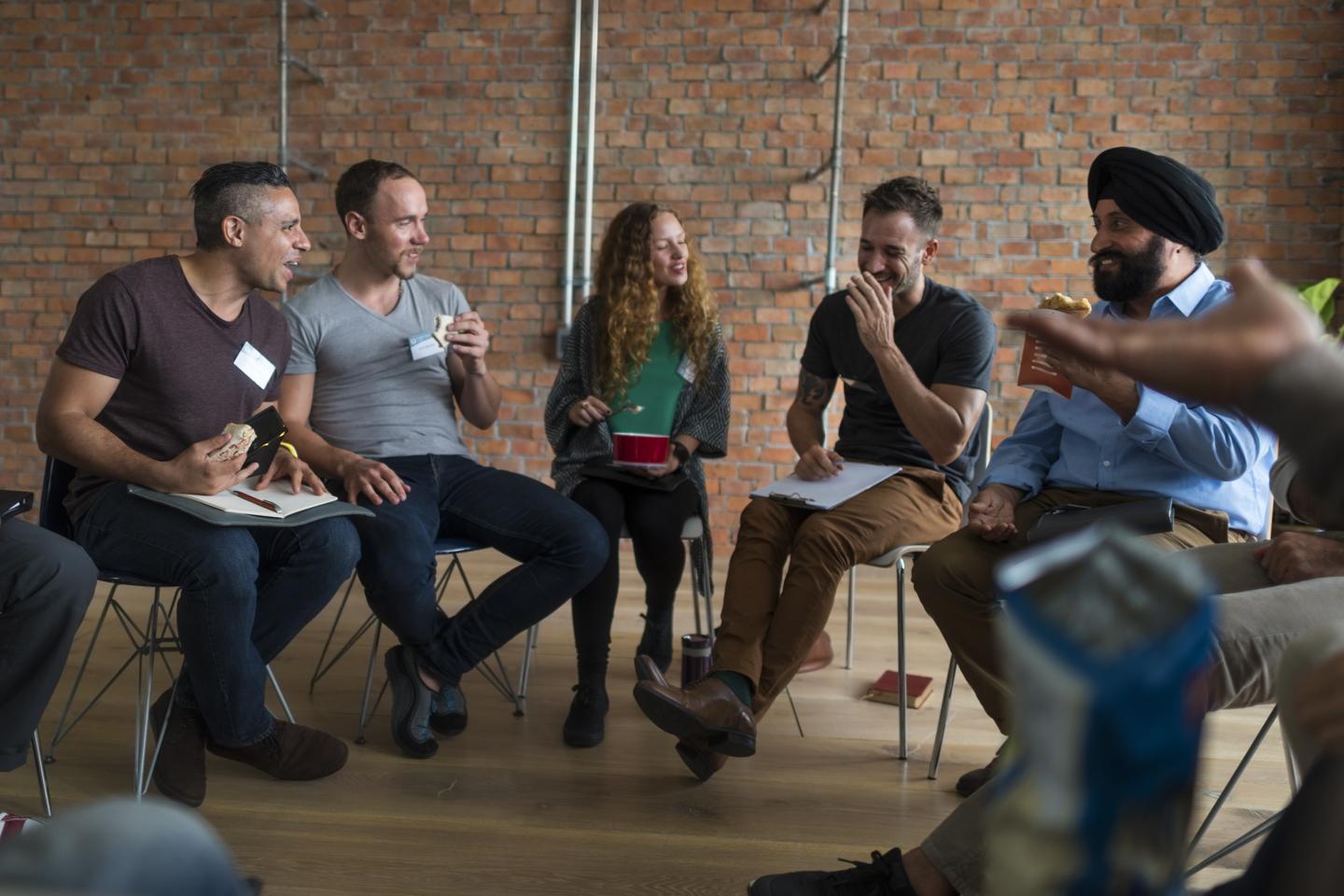
We need to facilitate engagement processes that meet our community’s preferences and needs. Doing so will vastly improve rates of participation and result in more representative, balanced views that can help us make better project decisions.
But this requires a major cultural shift. How do we create it?
For starters, we must begin viewing communities as the engagement experts. Where possible, we need to let them lead their own engagement processes.
After a bit of a rocky start this was deployed to great effectiveness during the COVID-19 pandemic in Australia. Using well-funded, co-designed advertising campaigns developed by culturally diverse community members to promote critical health and vaccination information to their communities, and having respected local leaders operate as the key information source on COVID-19 between communities and government were amongst some of the most successful engagement methods during this time.
We also need to make much more of an effort to remove the logistical barriers that prevent everyday people from participating.
Why would a single mother experiencing financial disadvantage go to an in-person community engagement event if she’s juggling two jobs, doesn’t own a car and the event is the same night as her child’s yearly school concert?
To make engagement opportunities accessible to everyone, we must address the web of circumstances that prohibit participation. This ranges from providing in-person and online options for all engagement activities, ensuring the date, time and location of in-person activities are appropriate, to providing stipends for transport and technology, and using recruitment tools including paid participation.
With a changing and increasingly diverse Australia, it’s not good enough to say ‘we heard’ from the community when we really only heard from the loudest, most motivated voices.
We must change our engagement practices to hear from those who have traditionally been silent or ignored.
Evidence-based decision making has become a standard expectation – and we will need to demonstrate that meaningful engagement was undertaken with a representative segment of the community.
An International Association for Public Participation (IAP2) core value is that engagement practitioners must seek input from participants to design how they want to participate. In this new Australia, we need to embody this value more than ever.

Executive Consultant - Communications and Engagement