

Safety Assessment Handbook, Urenco
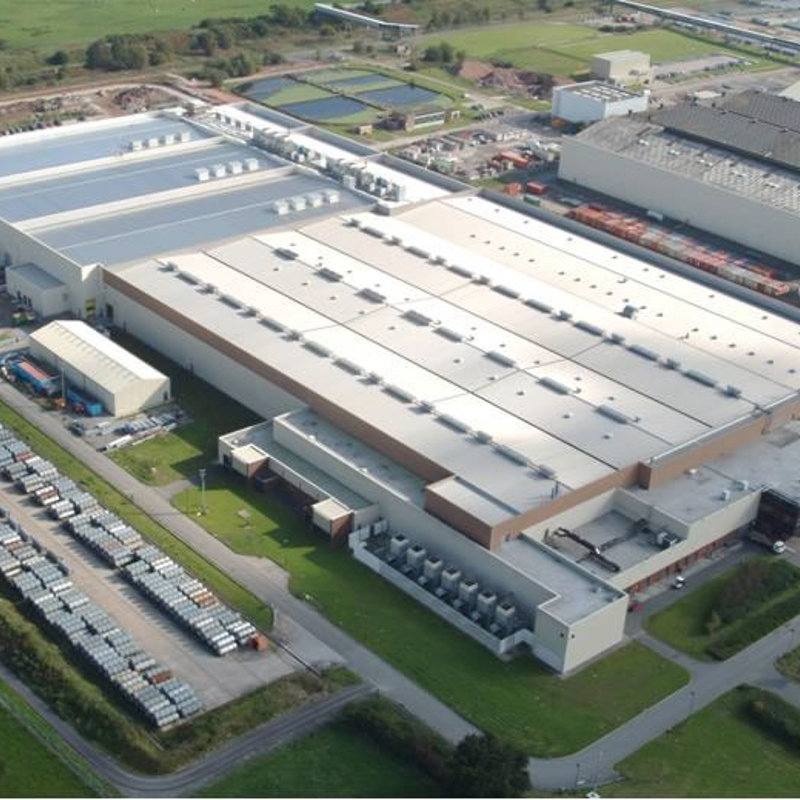
Urenco operates uranium enrichment facilities that increase the concentration of fissile isotope U-235 as part of the production of fuel for nuclear power reactors. The facilities date from the 1980s onwards and regulation requires periodical review of their condition, engineering and operational standards. RPS was contracted to revise the company’s guidance on the development of safety justifications.
No Content Set
Exception:
Website.Models.ViewModels.Blocks.PageBlocks.CardBlocks.CustomContentLinkCardBlockVm
Key details
Project name
Safety Assessment Handbook
Client
Urenco UK
Location
Capenhurst, Cheshire, UK
Services provided
Safety strategy, methodology and guidance
Challenge
Urenco identified that the facility safety cases needed to be revised as their initial development had revealed some implementation issues with the existing Safety Assessment Handbook (SAH) and there had been significant developments in regulatory objectives since it was written.
Urenco undertook a structured review of these issues and requirements. The challenge was therefore to revise the guidance to facilitate the development of proportionate safety assessments that did not result in unmanageable requirements in plant operation.
The SAH revision needed to:
- Ensure proportionate safety measures and engineering requirements.
- Balance the management of chemical and radiological hazards.
- Provide flexibility to the safety assessors and engineers.
Solution
RPS provided a highly experienced safety case author and peer reviewer to work closely with the Nuclear Safety Manager.
The solution was a holistic review to understand the key delivery issues and identify the primary and secondary (consequential) issues. Resolution was then prioritised to meet project requirements.
A major part of the solution was stakeholder communication to ensure buy-in. It was essential to confirm that the proposals were fit-for-purpose and operable designs could be delivered against the guidance.
Following the initial stakeholder engagement, the guidance was taken through the licensee’s technical and safety governance process to confirm that the approaches were robust.
The guidance delivered (as revised or new documents) included:
- Fault assessment
- Design basis accident analysis
- Safety function category and engineering class for safety measures
- Designation of safety measures
- Engineering substantiation of safety claims
- Management of seismic and other external hazards
- Radiological contaminated wounds
- Nuclear fire safety
- Operational controls
- Treatment and quantification of risks.
- Demonstration of that risks are Controlled As Low As Reasonably Practicable (ALARP)