1 st
Step in a plan led approach to sustainable development of Ireland's offshore wind resource
No Content Set
Exception:
Website.Models.ViewModels.Components.General.Banners.BannerComponentVm


The project was led by the Department of Climate, Energy and the Environment (DCEE) and was approved by Government in October 2024. Our multi-disciplinary team provided diverse specialists including ecologists, marine engineers, marine data analysists and our project communications team. The plan represents the culmination of collaboration, and consultation with stakeholders across industry, government, communities, and environmental organisations.
It is the first statutory maritime spatial plan of its type since the Irish government moved to a plan-led approach for offshore renewable energy. It will enable the sustainable development of offshore wind through consideration of environmental protection and existing marine users and activities.
Project name:
Draft South Coast Designated Maritime Area Plan (DMAP)
Client:
Department of Climate, Energy and the Environment (DCEE)
Location:
The South Coast of Ireland
Services provided:
Offshore Renewable Energy (ORE) is a critical enabler of Ireland’s decarbonisation and energy security. The SC-DMAP supports Ireland’s climate objectives, enabling the delivery of 5 GW of offshore wind by the end of 2030, 20 GW by 2040, and 37 GW by 2050. The plan responds to our climate emergency and critical need to halve carbon emissions by 2030 and achieve net zero emissions before 2050 under Ireland’s Climate Action Plans. Implementation of the plan progresses Ireland’s net zero transition, providing a source of renewable electricity and power to grow a resilient and sustainable region and coastal communities.
The SC-DMAP anticipates that an initial offshore wind project with a capacity of approximately 900MW will take place in the area identified as ‘Tonn Nua’, off the coast of County Waterford, with a target deployment date of 2030. Over the next decade, it anticipates that further offshore wind projects may be developed in the three areas: ‘Lí Ban’, also off the coast of County Waterford, and ‘Manannán’ and ‘Danu’ – both off the south coast of County Wexford.
The SC-DMAP identifies four Maritime Areas within the wider geographical area, within which proposed future deployments of Offshore Renewable Energy (ORE) may proceed for further project level assessment.
Through the identification of four Maritime Areas, the draft Plan provides clarity to local communities, existing marine users including the fishing community, the ORE industry and other stakeholders regarding the location of prospective future ORE development within the SC-DMAP area.
It identifies policy objectives which must be adhered to by prospective developers of ORE and transmission infrastructure within the draft SC-DMAP area. These policy objectives include provisions regarding the protection of biodiversity and the marine environment, as well as the promotion of co-existence between ORE and other marine activities.
The approach to developing the SC-DMAP involved a proactive and transparent public participation process. Extensive stakeholder mapping resulted in the many potentially impacted audiences being identified, including young people, sectoral interests such as fishing, tourism, academia, environment, heritage, local communities, and public sector bodies. We devised and implemented a bespoke consultation strategy to reach each stakeholder group.
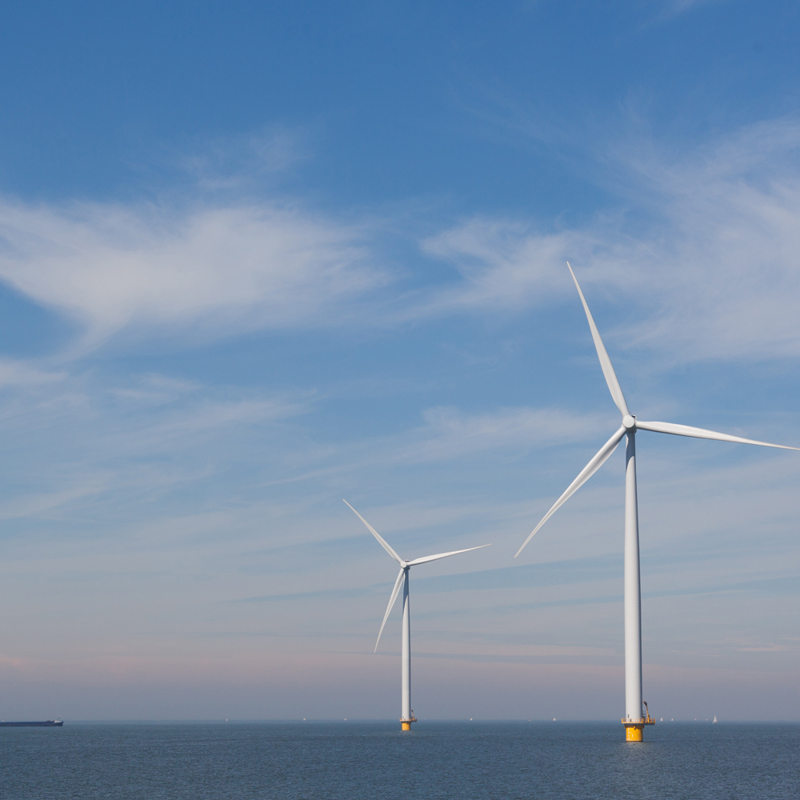
Our Environmental team also undertook the environmental constraints analysis, Strategic Environmental Assessment and Natura Impact Statement to inform the draft South Coast DMAP.
Our Project Communications team supported the Department of Climate Energy and the Environment (DCEE) in delivering a statutory public consultation that included webinars, in-person open days, and outreach events in coastal communities in counties Cork, Waterford and Wexford. We then analysed all of the feedback and submissions received before preparing a Consultation Findings Report for review by the Department.
The facilitation and promotion of coexistence and co-location of ORE with other maritime usages and activities such as fishing, tourism, recreation and telecommunications has been central to the preparation of the Plan. Our innovative and inclusive approach as a multi-disciplinary planning-led team has been widely praised and held up as an exemplar for how to undertake future spatial planning for key Government policies and infrastructure development.
1 st
Step in a plan led approach to sustainable development of Ireland's offshore wind resource
8,600 m2
Maritime area from the High-Water Mark to the 80-metre depth contour
900 MW
Capacity of offshore wind by 2030
2,232
Observations received across 2 consultation periods