
No Content Set
Exception:
Website.Models.ViewModels.Components.General.Banners.BannerComponentVm

Marco is an analytical chemist with over 25 years of experience within the laboratory industry. He has expertise in a variety of specialities including the analysis of pesticides, food contaminants, priority and emerging pollutants, explosives, defence related chemicals and marine pollutants.
He is also responsible for directing the operation of the Bedford laboratory since having joined RPS in 2010. In this Q&A, Marco has taken a few minutes out of his busy day to discuss how he gained his expertise, why his work is special to him, and what’s fascinating about his industry at the moment.
I’m the Operational Director for Analytical Services within the UK, so every day is always different for me as it revolves around commercial drivers and operational outputs.
I maintain flexibility to ensure I’m ready for whatever comes our way and that the laboratory has all the required equipment and resources available to delivery our projects. Our aim is to constantly develop new services or improve existing techniques and remain at the forefront of this intriguing industry.
I start the day by checking my messages and talking to my teams. I assess what things may need to be prioritised prior to tackling the tasks I have planned for the week. The tasks themselves range from new bids, client meetings, team meetings, financial updates, business cases and many more, depending on the day!
Leadership, problem solving and commercial direction.
I graduated with a BSc in Environmental Pollution Science. After which, I successfully achieved a MSc in Advanced Analytical Chemistry. I then, worked as a development chemist in the oil and gas exploration and production sector for 3 years. After this, I worked as a Senior chemist in the Defence Sector and then progressed to a business development role. I first joined RPS as a Business Development Manager 13 years ago where I worked my way to OPD Manager and then attained the position of Operational Director.
I left BAE Systems when the former Royal Ordnance site was decommissioned. I joined RPS as they had an explosives remediation and an EOD (Explosive Ordinance Disposal) team so there was a direct synergy which allowed us to quickly set up an explosive testing laboratory for RPS.
We went even further and introduced a marine sediment testing capability, followed by crop testing division before successfully attaining large utility contracts. This led to the UK chemical investigations programme we have now, and the rest is history.
Our Industry is constantly changing and evolving in line with regulatory political and industry drivers. This means we have to work beyond our own expectations in order to remain in the race and be at the forefront of scientific developments. We consistently achieve this, continue to innovate, and accomplish new breakthroughs. So, it often leads to lots of opportunities to grow and diversify our services which is what I find this to be the most exciting part.
I think the UK Chemical Investigations programme has been the longest continuous project I have been involved in since its kick off in 2010. We are now approaching the end of the third phase in 2025 and begin preparation to commence the fourth phase which will last till 2030.
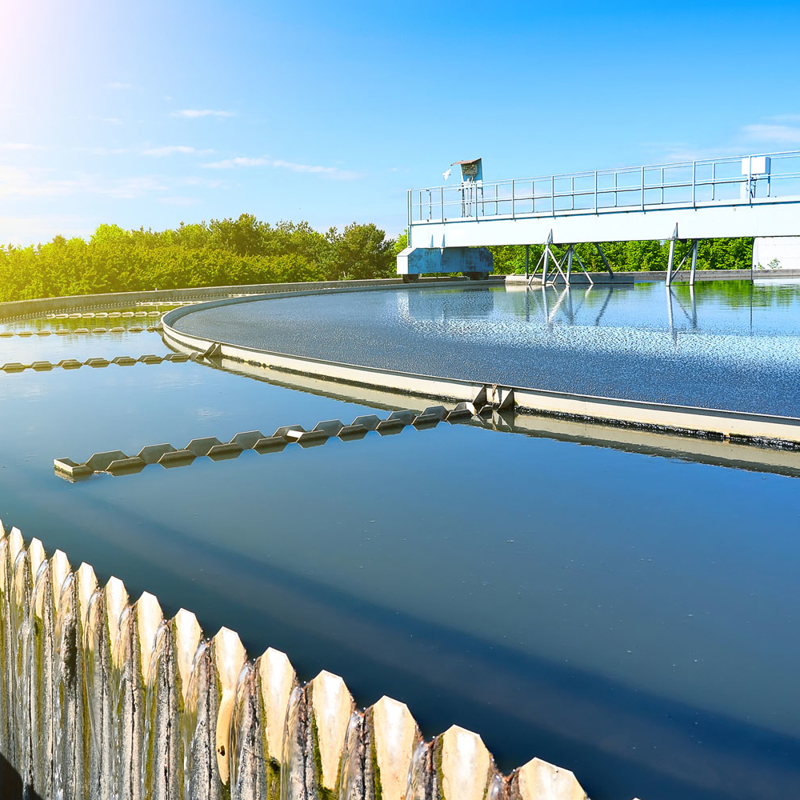
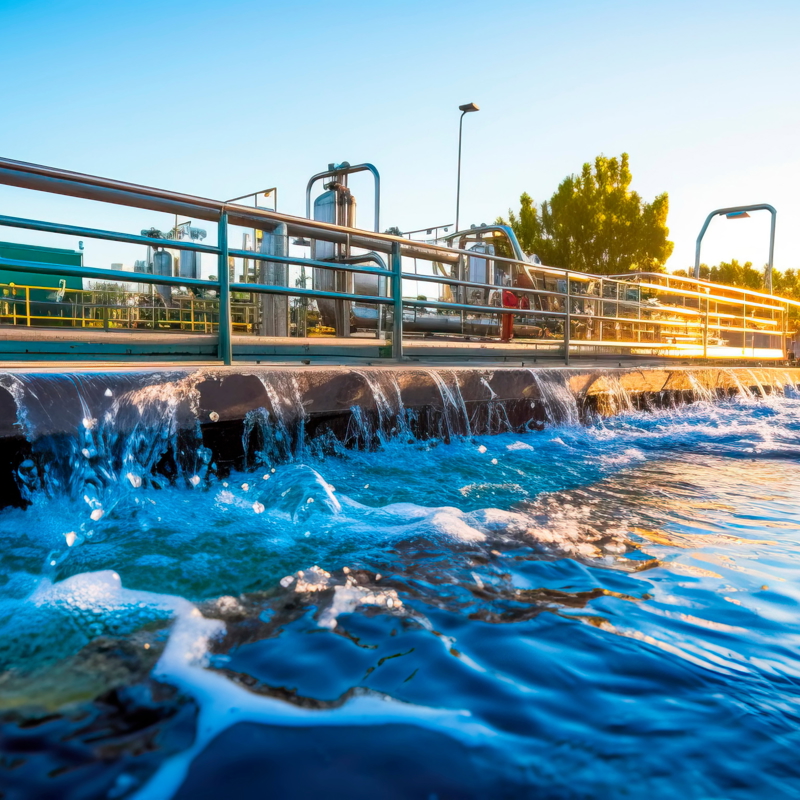
This project has been funded by the water industry and targets very challenging emerging pollutants including PFAS. We’ve played a crucial part in testing over 600 chemicals in the entire wastewater lifecycle from crude influent into the works to trade discharges, rivers, sediments, sludges and groundwaters. This has provided one of the largest datasets ever made, one that will be used for years to come and to develop treatment technologies and catchment management plans.
Be patient, work hard and learn as much as you can when the opportunities arise. Ensure that you strive to uphold quality and be proud to stand by your scientific data. Also, don’t be afraid to ask questions and challenge opinions.
By ensuring we provide reliable data which can be utilised to make informed decisions about the levels of chemicals in the environment, in our food and in all the products we test for our clients.
The current drive appears to be around PFAS as this is getting a great deal of press coverage. However, in the background, there are many other ’emerging contaminants’. Emerging contaminants are substances that are not yet regulated but may be of environmental or human health concern. These include pharmaceuticals, personal care products, and antimicrobials.
Going out for a bike ride with my friends or for an outdoor walk with my wife and kids.
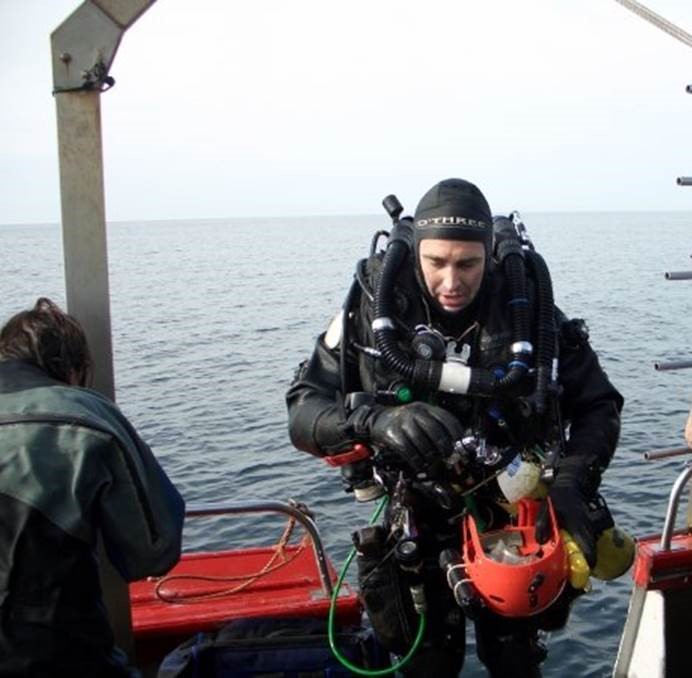
Riding the main routes up Mount Ventoux on a bike or Diving the great wrecks of Malin Head such as the SS Justicia, here a look at what diving the Justicia looks like - A lap of SS Justicia
Another is being able to grow the Bedford laboratory from a team of 12 to over 60 employees.