Health, safety, risk assessment and management
Services for the management of health and safety with a focus on safety culture, compliance and accreditation.
No Content Set
Exception:
Website.Models.ViewModels.Components.General.Banners.BannerComponentVm

The Building Safety Act 2022 sets a high bar for transparency and accountability in the construction and real estate industries. Under the Building Safety Act, there are stronger building safety duties for Principal Accountable Persons and Accountable Persons, including higher expectations for resident engagement, building information, and the requirement for mandatory occurrence reporting for higher risk buildings.
Under the Act, owners and managers must keep safety information about how a building has been designed, built, and managed up to date. Known as the “golden thread” of information, this serves as a single source of truth for a higher-risk building, outlining the steps needed to keep both the building and its inhabitants safe, now and in the future.
Bad in practice:
A large residential landlord discovered incomplete “golden thread” records during a planned audit; missing fire‑system drawings and handover packs forced an urgent third‑party verification program and six‑figure consultancy costs to bring higher risk building files up to standard.
Good in practice:
Actions you can take:
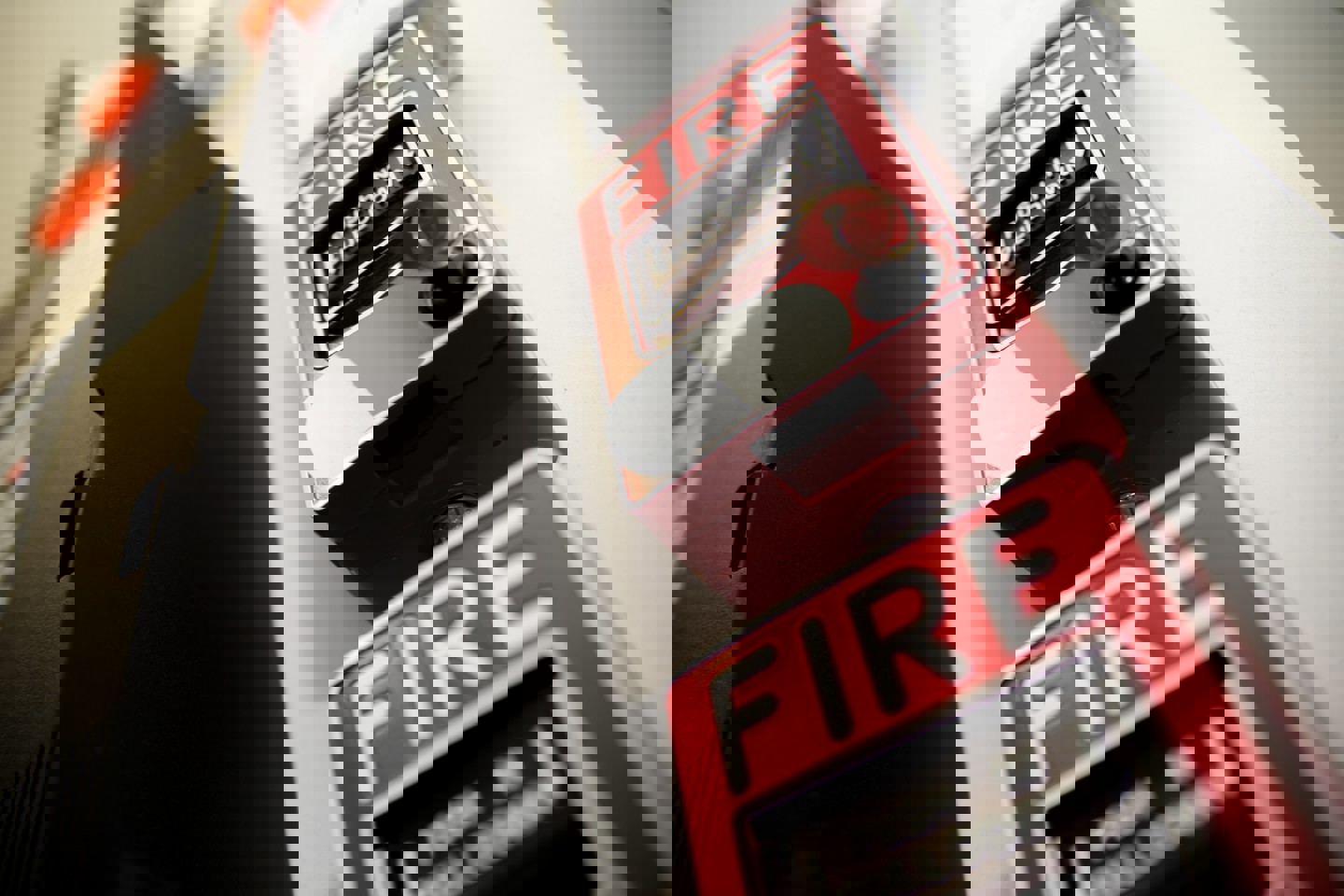
Fire safety remains a paramount concern for property and facility managers, particularly in the wake of high-profile incidents that have underscored the need for more rigorous oversight and accountability. Recent reforms aim to strengthen risk assessment processes and improve transparency, with a focus on protecting building occupants and emergency responders. These changes place greater responsibility on those managing properties to ensure comprehensive fire risk evaluations and effective communication of safety information.
The Fire Safety Act 2021 with subsequent amendments to the Regulatory Reform (Fire Safety) Order 2005 mean responsible persons must include external walls and certain communal elements in fire risk assessments and increase information sharing duties.
Bad in practice:
After updating risk assessments to include external walls, a residential portfolio found several buildings with combustible cladding. Immediate remedial works and temporary evacuation plans required pending remediation, causing relocation costs and rent loss.
Good in practice:
Actions you can take:
As buildings are becoming more energy-efficient and airtight, ensuring adequate indoor air quality is crucial to occupant health and building performance. Approved Document F encourages indoor air quality monitoring as part of compliance, aiming to prevent moisture, mould, and pollutant build-up for both refurbishments and new works. It mandates higher ventilation rates and mechanical ventilation for airtight new homes to improve indoor air quality.
Air quality testing is crucial in minimising indoor air pollution and associated adverse health effects. But as well as creating a healthy environment for building occupants, air quality assessments serve as evidence of health and safety compliance.
Bad in practice:
A school failed a post‑refurb indoor air quality check when CO₂ monitoring showed persistent high levels; rapid installation of mechanical ventilation and extra filter replacements led to unexpected capital and service‑contract spend.
Good in practice:
Actions you can take:
Deploy CO₂ monitors to measure carbon dioxide levels and airflow rates in a sample of high‑occupancy spaces (such as meeting rooms, classrooms, wards) and log results for 7–14 days to identify under‑ventilated areas and trigger immediate remedial action. This could include increased ventilation and filter changes.
Engage with specialists to audit indoor quality across your portfolio – An indoor air quality audit will assess standards of hygiene within air handling units and whether contaminant levels within the re-circulating air are satisfactory.
Energy performance requirements are tightening, and minimum energy efficiency standards (MEES) are expanding as part of the UK’s broader strategy to achieve net zero emissions by 2050. Landlords and property owners are facing rising energy efficiency obligations with potential fines and cost caps under consultation proposals. Understanding the direction of future legislation is crucial to preventing non-compliance risks and to protect long-term property value.
The government has proposed that by 2027 commercial landlords will need to ensure rented buildings have an EPC rating of at least “C”, which will likely tighten to a “B” rating requirement by 2030. Whilst not yet law, landlords can be preparing for these requirements now to avoid steep fines, decreased property values, and increased operating costs.
Bad in practice:
A multi‑let retail parade with low EPC ratings was put at risk of lease renewals and potential fines. The landlord commissioned retrofit works including insulation and new boilers on short notice, straining budgets and delaying other planned projects.
Good in practice:
Actions you can take:
Higher fines and a stern sentencing approach mean non-compliance carries larger financial and reputational risk – it’s essential you ensure your paper trail is robust.
Non-compliance can lead to enforcement notices and a significant fine for a property management company, plus urgent remediation and legal fees to avoid escalation.
We recommend performing a 30‑day compliance sanity check – verify the five most-requested records (fire risk assessment, asbestos register, Legionella log, EICR, contractor certificates) are current and stored in a single, auditable repository with version history and a named owner.

In this article, we’ve outlined some of the current regulations on property compliance and the costly risks involved, as well as touching on the proactive steps you can take to maintain compliance. Next up, we’re sitting down with our experts for a Q&A to dig deeper into how property managers can ensure health and safety compliance, including practical recommendations and checklists to help keep you on track. Look out for the article on our social media.
There’s a lot to keep up with in the world of property compliance. But no matter the size of your site or portfolio, managing property-related risk doesn’t have to be complex.
Mosaic platform is a cloud-based compliance and risk management solution we designed to centralise and simplify property compliance workflows. Consolidating critical compliance information into one accessible system, Mosaic reduces the overhead of meeting new reporting duties and creates the searchable evidence regulators expect.
It enables property managers to monitor real-time status through bespoke dashboards and KPI reports, streamlining how you identify and manage property risk now and in the future as regulations evolve.
Delivered as a standalone solution or alongside consultancy services, Mosaic scales from single sites to large portfolios, with specialised modules covering fire safety, health and safety, asbestos, sustainability, legionella, and indoor air quality.
Request a short Mosaic walkthrough to see how a building safety or EPC risk pack can be generated in minutes.


Senior Technical Director - Health & Safety

Technical Director – Health & Fire Safety