

REZ ready? Why project management basics matter
With so much activity happening in renewable energy zones (REZs) right now, what steps can organisations take to ensure they are “REZ ready”? RPS Executive Manager, Ben Rayward, says it’s about getting your project management basics right.
Ben Rayward
The complex process of energy transition
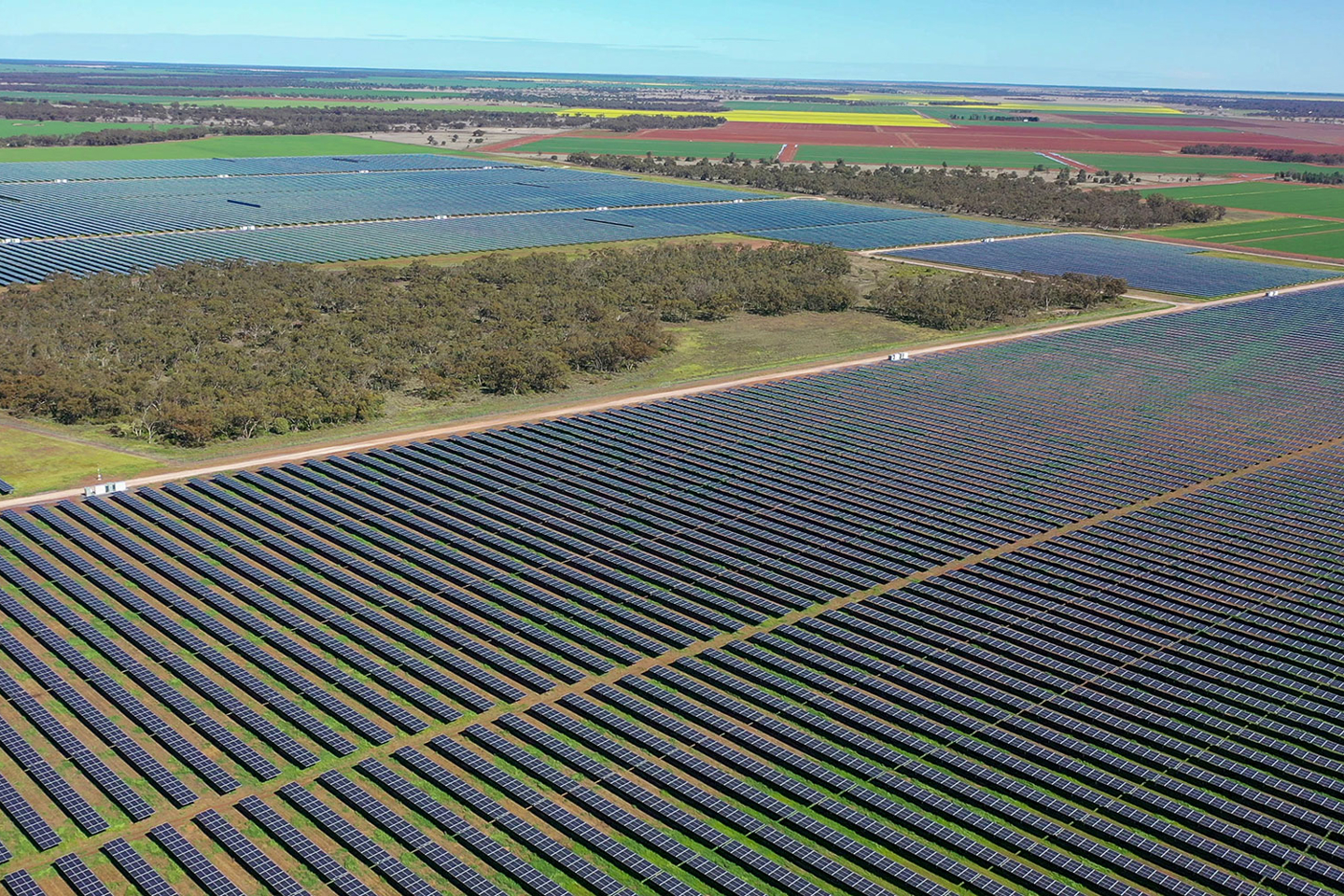
Developing REZs - and the projects within them - is an incredible feat of portfolio, program and project management. The amount of work that goes into selecting REZ areas, engaging with communities, equipping agencies to evaluate and approve projects, completing environmental studies, engaging the market, building projects…is staggering. With so much activity happening in the energy sector right now, what steps can organisations take to ensure they are “REZ ready”? For me, it’s all about getting the basics right.
Understanding strengths and weaknesses: maturity assessment
While PMOs are a pretty standard aspect of project delivery in 2025, they can’t be ‘set and forget’. The portfolio of work being overseen by a PMO can multiply quickly, and this is especially the case in the energy sector right now.
Take the government agencies tasked with coordinating REZ development for example. They’re responsible for a wide range of tasks, from planning, technical and regulatory activities to community consultation, benefits realisation, and complex procurement and commercial arrangements. Not only is their scope of work broad, the types of stakeholders and assets that they work with are diverse. After all, REZs can incorporate solar, wind, transmission, battery energy storage systems (BESS) and pumped hydro projects.
A well-developed PMO is vital for organisations like these, and as time goes on regular health checks (maturity assessment) will help them remain focused and effective. You can read more on PMO maturity assessment and why it’s worth the investment here, but in essence, it’s about getting an independent view of how well a PMO is holding up to its scope of work, and where improvements can be made to keep projects on track.

Defining roles and responsibilities: project management office (PMO)
In a market as hot as renewables, it’s natural to see people and capability shifting around. People come and go from delivery teams, and this can be a real stress test for projects. Where roles are ill-defined and responsibilities are not clearly documented, people coming and going can generate big gaps in your organisation’s capability and your project’s control. The answer is good governance, documented processes and well defined roles, systems and procedures. The mechanism is a well-developed Project Management Office (PMO). Does it take upfront work? Yes. But in a hyper competitive market, it’s an insurance policy that you can’t afford not to invest in.

Investing in digital: Portfolio, program and project management (P3M) management systems
One of the things I love most about the renewable energy industry is the innovation factor. There are incredible technical advancements happening all the time. The projects we are delivering today are a testing lab for the new engineering solutions, better technologies, novel materials, and efficiency improvements that will be standard in the future.
There is so much opportunity in the market. But one worry I have is that the mechanics of project delivery is getting in the way of good ideas. RPS regularly comes into organisations for project delivery engagements only to discover that while the projects themselves are highly innovative, the systems being used to manage and oversee them are, well…archaic. Think spreadsheet chaos, manual reporting that’s always out of date, management systems that stakeholders can’t access...This situation is not specific to the energy sector, but it’s certainly a risk for it.
Digitally enabled project delivery can aid success. Our solution for this has been the development of myProjects – a digital portfolio, program and project (P3M) management system designed for Australian projects, clients and market conditions. And it’s no coincidence that the very first implementation of myProjects was for Queensland Department of Education’s, Advancing Clean Energy Schools (ACES) program – a $168 million investment in sustainability upgrades across more than 900 locations.
myProjects is just one system. And while we think it’s a good one, the important point is this: to capture opportunities and bring project innovation to life, it’s worthwhile investing in management system innovation, too. There’s an upfront cost, sure. But having the right digital solution in place will more than cover the investment when considering the resourcing efficiencies, single source of truth and ability to support timely and accurate decision making you gain across the project lifecycle.

Meet the author
Get REZ ready with us!
More RPS ideas for a faster energy transition
-

Ideas for a faster energy transition
Options for speeding up Australia's energy project lifecycle including approvals, social licence, delivery management and commercial innovation.
-

De-risking energy transition project delivery
Options to help you de-risk project delivery for energy transition investments
-
Building social licence for energy projects
Considerations for engaging with communities on renewable energy initiatives.
-

Navigating market, skills and supply chain constraints for energy projects
Options for avoiding cost escalation and delays from market constraints
-

Speeding up energy project approvals
Strategies for getting environmental and development planning green lights sooner.
-

Integrating data, technology and innovation into energy projects
Commercial innovation, data and technology ideas for the energy industry