Are environmental approvals holding your project back?
RPS environmental approvals specialist, Chris Millar discusses strategies for ensuring environmental approvals propel projects forward, not hold them back.
23 March 2026
Energy transition
No Content Set
Exception:
Website.Models.ViewModels.Components.General.Banners.BannerComponentVm


It’s no secret that the energy sector is running hot right now. There are countless policies, investments and projects devoted to scaling-up renewable generation, firming and storage, and scaling back the emissions that come with coal and gas. But despite best intentions, transforming Australia's energy grid is, well...slow going.
Good things take time. And when it comes to project delivery, it pays to get the details right. But if we seriously want to deliver 33,000 gigawatt hours from renewable sources every year to 2030 (and the related infrastructure needed to support such a generational shift in generation), it's time to think differently.
At RPS, experience tells us that there are aspects of the project lifecycle that can move faster. Whether you are an energy network operator, regulator, investor or developer, we want to help you work smarter, not harder. We want to help you make grid transformation a reality.
Energy transition is among the most complex challenges we face as an industry, and as a nation. But there’s never been a more worthy challenge to tackle head on. That’s why we're sharing our ideas for a faster energy transition.

The challenges for energy transition are many and complex, but they're not insurmountable. Sometimes big problems aren't solved by one large action, but through smaller improvements that combine to create more fundamental change. Across RPS, our consultants are supporting energy clients to navigate complexity and propel projects forward through improvement across all phases of the project lifecycle. Together, we have important insights to share on how project owners can accelerate across five key aspects of energy project delivery:
When we talk about speeding projects up, sometimes we mean reducing the time a specific process takes. Sometimes it’s about avoiding delays or unnecessary costs. And sometimes it’s about preparing businesses to operate in a new energy future. Whatever the case, we know Australia's energy transformation must be three things: practical, achievable, and commercial. Ready for some ideas? Let's get started...
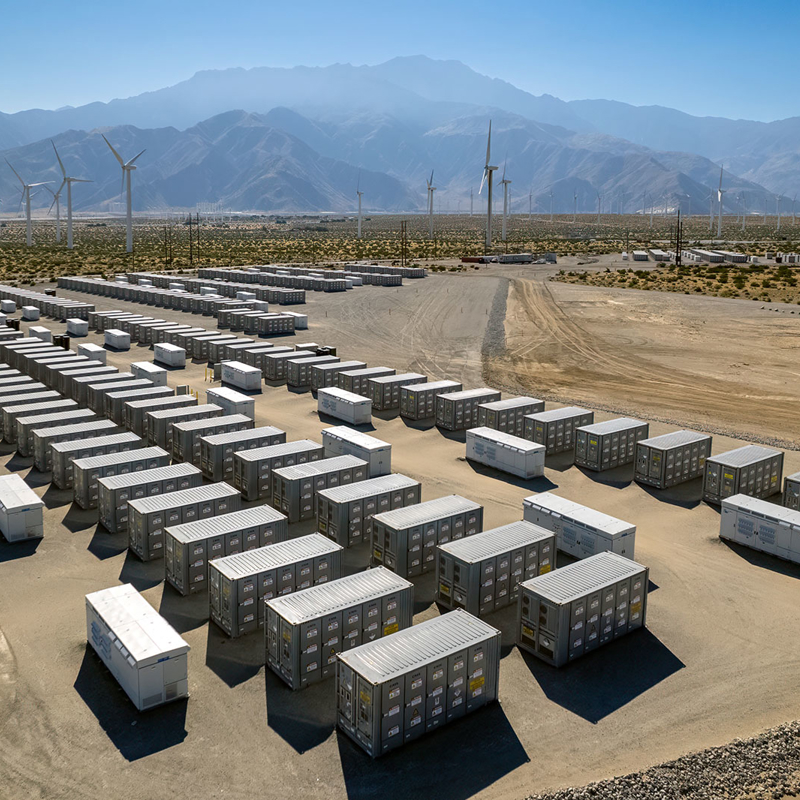

Most energy projects are subject to multiple layers of legislation and must be approved by more than one regulator. Approvals take time, and some aspects of the process (like the weather when it comes to environmental studies!) will be out of your control. However, there are things you can do to streamline the process for both environmental and development approvals.
Here are some of the key approaches we recommend and implement with clients:
Complete a detailed analysis of all environmental and regulatory requirements before you begin investigation or planning work. Investing time at the beginning will reduce the time you spend on the path towards approval.
Avoid rigidity when it comes to your project's design. Flexibility will help you respond to regulator and community feedback more easily and keep your project from stalling.
Keep an eye on incoming regulatory changes that could impact your assessment requirements mid-approval. Getting caught unprepared can equate to months of rework... more>>
Project perception can change quickly, particularly in areas where there are multiple developments happening close to each other. A misstep in engagement by one energy project can erode the social licence of all. That's why stakeholder engagement is about more than simply meeting regulatory requirements. It needs to be grounded in genuine commitment to community wellbeing, and a respect local values and concerns. Through early, transparent and inclusive engagement, you can build trust, minimise opposition and establish a foundation of community support that informs value creation for your project, and local stakeholders. Here are some of our top tips for building social licence and creating community benefits.
Here are some top tips from our community engagement specialists:
Engaging the community early in the project lifecycle can help build trust and prevent misunderstandings. Start pre-planning for engagement early and include clear, honest and comprehensive information about your project objectives.
When communities feel that they have a voice in decisions, they are far more likely to support your project. Giving locals opportunities to provide input or feedback not only helps you achieve better design outcomes, but builds social licence that supports approvals as well... more>>

There’s no getting around it, energy projects are complex and expensive to deliver. Even small misalignments in management approach, resourcing, or cost estimation can quickly put your project's schedule, budget and outcomes at risk. Whether you’re looking to deliver one energy transition project or manage an entire portfolio, getting the basics right can help you avoid schedule slip and scope creep. From establishing a well governed, well-resourced project management office (PMO) to apportioning risk appropriately and applying a lifecycle approach to cost management, there are management techniques that can help you mitigate risks and bring your project online sooner.
Top considerations for managing delivery risks include:
It sounds obvious, but analysing potential financial, regulatory, environmental, operational, and reputational risks is vital for project success. We recommend setting aside time in the early phases of your project to identify and complete scenario planning for different risk areas. This ensures you're prepared to manage and respond.
Selecting a procurement model that's right for your project can save you significant time and money when it comes to delivery. Contract packages should be structured to incentivise performance by suppliers and contractors... more>>

It’s no secret that the energy sector is running hot. You need only look at Infrastructure Partnerships Australia’s Pipeline Forecast which shows labour demand for the energy sector literally off the charts in most states over the next four years. And labour isn’t the only issue. Cross-sector competition for skills, and the requirement for specialist components and materials from overseas markets are a real pressure point for industry. Making sure you truly understand the operational context in which you are trying to deliver your project is the first step in managing these issues. Engaging in early market engagement to attract maximum interest in your project, adopting a flexible, agile approach to delivery, and capitalising on industry connections can also help keep projects moving forward.
Here are some of our top tips for managing market, skill and supply chain constraints:
Market capacity assessment involves taking an in-depth look at how ready the market is to deliver your project pipeline and where gaps in labour availability or skills could pose risks to project cost and timeline. For those with large portfolios, it's a worthwhile investment. This is especially important when so many sectors are competing for the same labour pool.
Talking to the market about your project before starting a formal procurement process sounds like a recipe for higher prices, but when done right it can actually encourage competitive bids and maximise value for money when it comes to delivery... more>>
The energy industry is changing, and technology, data and commercial innovation will have a pivotal role to play in accelerating current investments, improving ROI, and preparing organisations for the future. Innovation can be technical and niche. But it can also be about adopting a transformation mindset where you consider an entirely new way of doing business.
Here are just a few ways we think industry can incorporate innovation into their energy transition plans:
Exploring new business models, partnerships or strategies for monetising an increasingly distributed energy system makes good business sense - particularly for network operators. While the tendency has been to build and operate generation assets, build to divest might prove a better model. Looking at the future and preparing for change in a competitive market is a smart move in 2025.
Environmental and geospatial data collection shouldn't end at approvals. Integrating real time information into your asset management system can help maximise the value of your asset day-to-day by increasing yield and maximising performance...more>>

Getting bogged down with approvals, engagement or any of the other braking points above? Get in touch for an obligation free chat to one of our energy experts.
From generation to storage, transmission and firming, RPS has energy experts on the ground nationwide. Learn about our work on transition initiatives and connect with an RPS approvals, engagement or delivery specialist here.




Strategies for getting environmental and development planning green lights sooner.
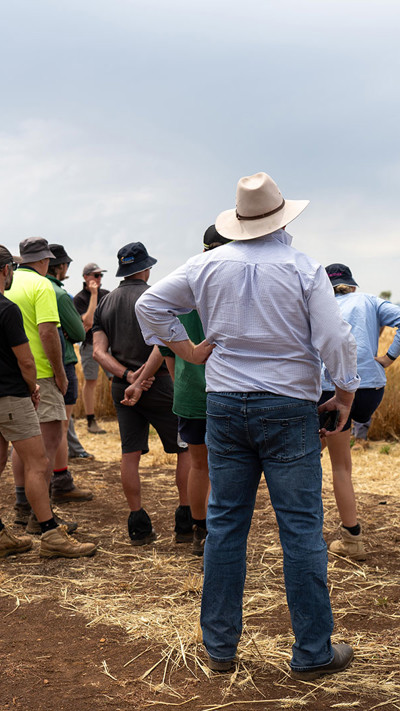
Considerations for engaging with communities on renewable energy initiatives.

Options to help you de-risk project delivery for energy transition investments

Commercial innovation, data and technology ideas for the energy industry

Options for avoiding cost escalation and delays from market constraints
Meet our team of Australian-based energy consultants, commercial advisors, engagement experts and delivery specialists.
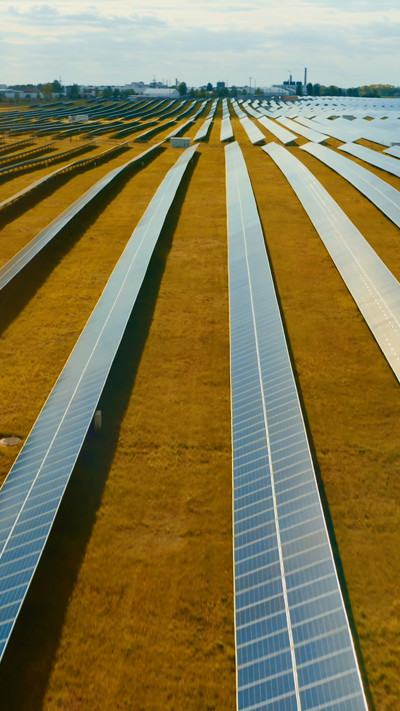
Discover our work on Australian generation, transmission, storage and firming projects nationwide.