From risk transfer to risk partnership: modernising contracting for Australia’s renewable energy future
12 March 2026
Shane Sutherland
No Content Set
Exception:
Website.Models.ViewModels.Components.General.Banners.BannerComponentVm


There’s no getting around it, energy projects are complex and expensive to deliver. Even small misalignments in your management approach, resourcing, or cost estimation can quickly put schedule, budget and outcomes at risk.
Whether you’re looking to deliver one energy transition project or manage an entire portfolio, getting the basics right can help you avoid schedule slip, and scope creep. From establishing a well governed, well-resourced project management office (PMO) to apportioning risk appropriately and applying a lifecycle approach to cost management, there are management techniques that can help you mitigate risks and bring your project online sooner. Discover some of our top tips for energy project delivery below.

1 | Invest in risk assessment early
Identifying potential risks early helps to prevent costly issues during later stages. We recommend conducting a detailed risk assessment to analyse potential financial, regulatory, environmental, operational, and reputational risks. This assessment should include scenario planning for different risk levels, enabling the project team to prepare for any eventuality.
2 | Select a best-for-project procurement model
Efficient procurement practices can help you control costs and reduce exposure to supply chain risks. Contract packages should be structured to incentivise timely and cost-effective performance from suppliers and contractors. An experienced commercial advisor can support you to develop the best contracting model for your project.

3 | Establish rigorous project controls and monitoring
Continuous monitoring of project timelines, costs, and progress against your project plan enables quick corrective actions when deviations occur. Implementing robust project management and cost control systems with regular reporting mechanisms to track budget, schedule and milestones allows for early detection of issues, and helps to avoid cost overruns. Establishing a Project Management Office (PMO) or investing in maturity assessment for existing PMOs can help identify capability gaps that could cost you.
4 | Engage in proactive regulatory and compliance planning
Compliance with environmental, safety, and other regulatory requirements can pose risks to both timelines and budgets if they are not managed properly. We recommend engaging with regulatory bodies as early as possible in the planning phase, and ensuring their requirements are embedded into your project plans. Proactive regulatory management helps avoid costly delays, penalties, or rework due to non-compliance.
5 | Optimise costs through an informed approach to value engineering
Value engineering focuses on optimising project design and construction methods to reduce costs without compromising functionality or quality. Through a guided review of project specifications and designs, project teams can identify opportunities to eliminate unnecessary expenses, streamline construction, or explore opportunities to use more cost-effective materials. Value engineering reviews should be conducted with input from all project stakeholders, including engineers, contractors, and suppliers.
6 | Leverage technology for real-time cost and risk analysis
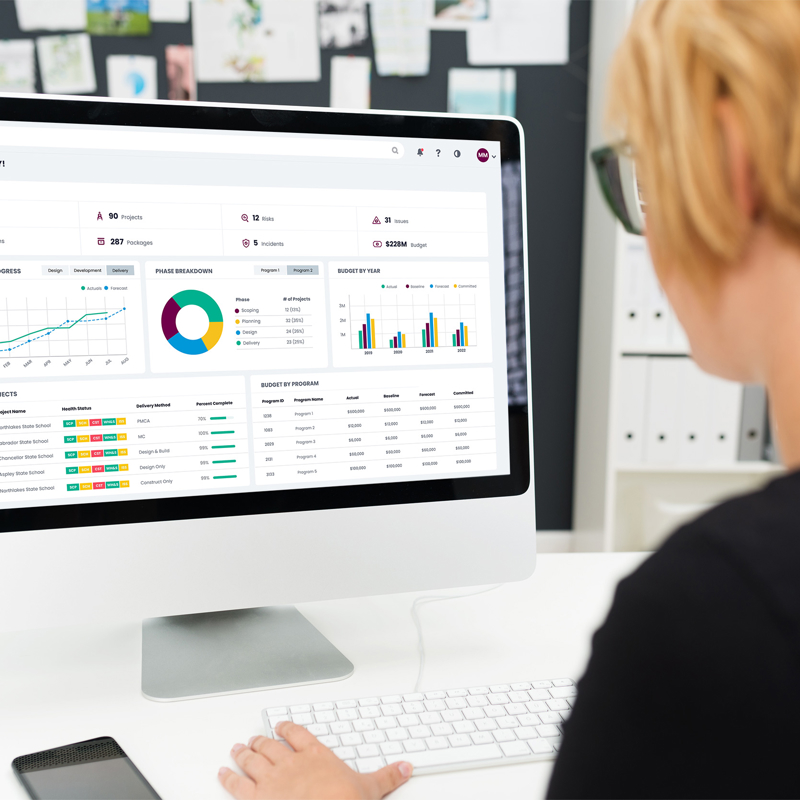
Modern project management software such as RPS' own myProjects, predictive analytics, and risk management platforms can provide real-time insights into cost trends, potential risks, and project performance. Utilising these tools enables project owners to make data-driven decisions and respond more quickly to emerging risks. Digital project tracking also helps streamline communication among stakeholders, reducing the risk of costly miscommunication or delays.
Managing all aspects of project delivery and ensuring accurate data is available for decision-making is a huge challenge for the infrastructure sector. That's why RPS has created myProjects - a digital portfolio, program and project management solution designed by project managers with all delivery stakeholders in mind. Discover how myProjects could streamline your energy transition journey.
7 | Don’t set and forget, assess your project’s health
Engaging a skilled assurance team with experience in energy infrastructure projects can provide expert advice on cost and risk mitigation. This team can assess risks, analyse emerging issues, and coordinate mitigation strategies with contractors and regulatory bodies. Having experienced risk managers on board ensures that your project can respond effectively to both anticipated and unforeseen challenges.
8 | Plan for post-construction risks and long-term maintenance
Cost and risk management should extend beyond project completion. Develop a maintenance and operations plan that includes budget allocations for long-term upkeep, risk monitoring, and contingency funds for potential repairs or regulatory changes. A well-defined post-construction plan helps manage lifecycle costs, ensuring that your project remains financially viable and compliant over the long term. Proper investment in maintenance also helps maximise the value of your asset and make it more attractive to potential buyers should you choose to divest it down the track.

Executive Manager - Clients and Markets
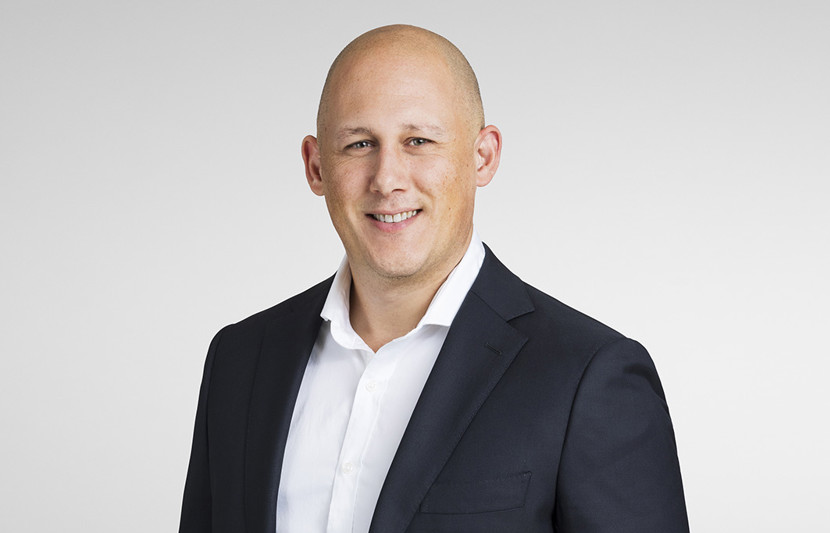
Executive General Manager - Commercial and Infrastructure Delivery
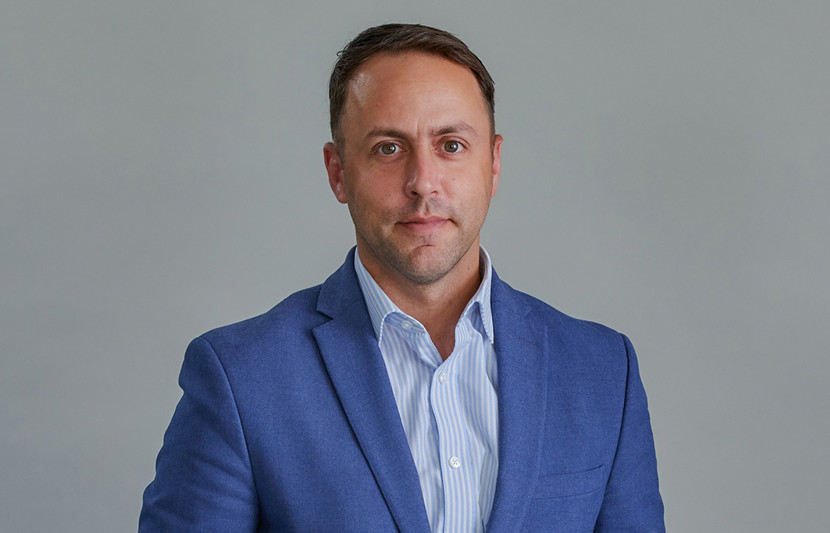
General Manager - Cost Advisory

Options for avoiding cost escalation and delays from market constraints

Commercial innovation, data and technology ideas for the energy industry

Strategies for getting environmental and development planning green lights sooner.
Considerations for engaging with communities on renewable energy initiatives.

Options for speeding up Australia's energy project lifecycle including approvals, social licence, delivery management and commercial innovation.
Meet our team of Australian-based energy consultants, commercial advisors, engagement experts and delivery specialists.
Discover our work on Australian generation, transmission, storage and firming projects nationwide.