
Ben Rayward
Executive Manager - Clients and Markets
No Content Set
Exception:
Website.Models.ViewModels.Components.General.Banners.BannerComponentVm

Water utilities are navigating an increasingly complex environment. Growing infrastructure requirements, ageing assets and constrained resources are placing pressure on how investment is planned, prioritised and delivered. While these challenges are not necessarily new, their combined impact is becoming more significant.
A growing capital pipeline increases demand for specialist resources and investment funding. Ageing assets create competing investment priorities, while renewal works must often be delivered without disrupting essential water services. The challenge for water utilities is not simply responding to each pressure individually but understanding how they interact. Across the sector, five key pressures are influencing how utilities approach infrastructure investment and delivery.
As water infrastructure investment requirements grow, utilities are increasingly managing larger and more complex portfolios of work. This includes major capital developments alongside extensive programs of smaller asset renewals, upgrades and maintenance-related projects. Managing these activities as individual projects can make it difficult to maintain consistent oversight, coordinate resources and understand priorities across the broader portfolio.
Some utilities are responding by adopting more coordinated program-based delivery approaches, bringing related projects together under common governance, controls and reporting arrangements. However, increasing the scale of delivery requires more than simply adding project resources.
Utilities also need the capability to manage dependencies, coordinate investment priorities and maintain visibility of performance across multiple projects and programs. The opportunity is to establish delivery structures that provide greater consistency and oversight while allowing individual projects to be managed effectively, with governance arrangements that support delivery without creating unnecessary complexity.
Alongside expanding infrastructure requirements, utilities must continue maintaining and renewing the networks that existing communities depend on. Population growth creates demand for new water and wastewater infrastructure, while ageing assets require ongoing investment to maintain safe and reliable services. These priorities compete for funding, resources and delivery capacity.
In some circumstances, immediate growth requirements may result in lower-priority renewal expenditure being moved into future years. While this can provide short-term flexibility, it may also concentrate future investment requirements and place additional strain on operational and maintenance resources. The challenge is understanding where intervention is most needed and the longer-term consequences of today's decisions.
Better asset information and risk-based prioritisation can help utilities distinguish between assets requiring immediate attention and those that can remain in service safely for longer. Ultimately, growth and renewal need to be considered together as part of a coordinated, long-term investment strategy.

As infrastructure portfolios become more complex, utilities need reliable information to understand asset performance, monitor delivery and make informed investment decisions. However, collecting more data does not automatically create better visibility.
Information may sit across multiple systems, with differences in reporting, asset records and operational data making it difficult to establish a consistent picture of performance. The opportunity is to connect these sources and turn information into practical insights that support timely decisions.
Tetra Tech's WaterNet™ provides an example of how technology can support this approach. The water network management platform brings together information from multiple sources, providing tools to analyse leakage, monitor consumption, assess network performance and identify areas requiring attention. In the United Kingdom, United Utilities selected WaterNet™ to support its leakage and demand-reduction objectives, with the platform intended to strengthen operational reporting and network resilience.
For utilities, the broader opportunity is to make better use of the information they already collect, connecting asset knowledge, operational performance and investment planning. The objective is not more reporting, but better visibility and more confident decisions.
Even where investment is available, delivering infrastructure programs depends on having access to the right people, expertise and contractor capacity. Water utilities are not competing for these resources in isolation. Other infrastructure sectors also require experienced project managers, engineers, specialist advisors and delivery contractors.
This creates a challenge when investment requirements increase faster than the market's capacity to respond. Funding approval does not automatically mean that the people and resources required to deliver a project are available.
Early market engagement and greater visibility of future investment pipelines can help utilities understand potential capacity constraints and give delivery partners more opportunity to plan. Workforce planning, procurement strategies and the sequencing of projects therefore become important considerations well before construction begins. The stronger approach is to consider delivery capacity alongside investment planning, rather than treating resourcing as a challenge to resolve after projects have been approved.
As delivery requirements evolve, utilities are also reconsidering how they structure their internal teams and work with external delivery partners. Program delivery partners and specialist advisors can provide additional capacity, technical knowledge and experience to support complex infrastructure investment.
However, external support does not remove the need for strong client-side capability. Utilities must retain sufficient knowledge of their assets, clear accountability for investment decisions and appropriate oversight of delivery performance.
Without clearly defined responsibilities and decision-making arrangements, partnership models can create additional complexity rather than reducing it. Successful arrangements require careful consideration of governance, accountability, knowledge sharing and how internal teams will work alongside external providers. The objective should be to strengthen a utility's ability to deliver, combining external expertise with the internal capability needed to remain an informed and effective asset owner.
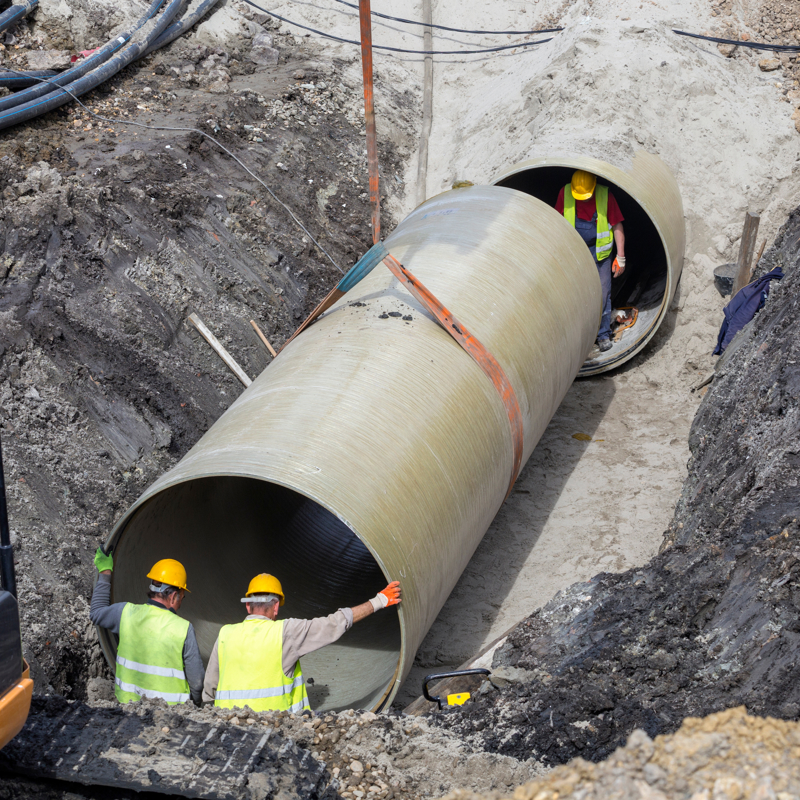
Each of these pressures presents challenges. But the greater consideration is how they influence one another. Investment priorities shape delivery requirements. Market capacity affects procurement and program planning. Partnership models influence governance and capability, while better information supports decisions across the entire investment lifecycle.
RPS brings together advisory, project and program management, governance and project controls expertise. These capabilities are complemented by digital solutions across RPS and Tetra Tech, including WaterNet™ for water network management and myProjects for project and portfolio management.
For water utilities, the opportunity is to take a more connected approach to planning and delivery. The next phase of water investment will not be defined by any one challenge, but by how effectively utilities align their investment priorities, people, delivery models and information to support long-term outcomes.
Executive Manager - Clients and Markets