$ 2 + m
Project value
No Content Set
Exception:
Website.Models.ViewModels.Components.General.Banners.BannerComponentVm


Energy transition
Water
Sustainability
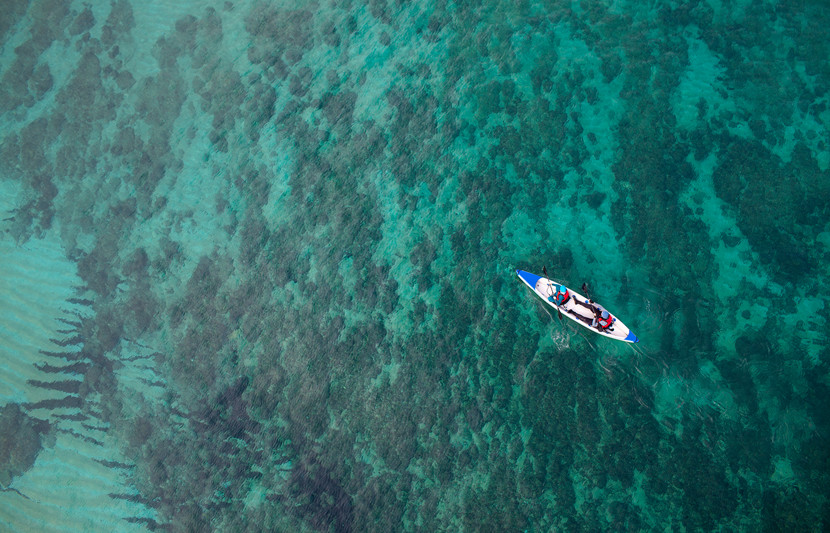
The Port of Hastings is situated in Western Port, approximately 72 kilometres to the southeast of Melbourne. Western Port is not only a trading port that has been operational since the 1800s but is also home to a diverse array of marine habitats, marine species and regularly hosts over 10,000 migratory wading birds. Western Port was designated a Ramsar site in 1982, recognising its internationally important wetland habitats, especially as waterfowl habitat. Western Port is also within south-eastern Australia’s only UNESCO Biosphere Reserve, one of an international network of 748 reserves.
In 2023, the Victorian Government announced that the Victorian Renewable Energy Terminal would be developed at the Port of Hastings to support the assembly of offshore wind infrastructure, subject to environmental approvals. The initiative is described in the Victorian Offshore Wind Implementation Statement and Victorian Ports Strategy and outlines the need for a thorough Environment Effects Statement (EES).
RPS was engaged by the Port of Hastings Corporation to help meet Victoria’s wind ambitions through our services in marine ecology, marine environmental impact assessment, and data visualisation (Power BI).

RPS has been conducting detailed marine ecological baseline studies to gather robust environmental data, which underpins the EES process. Our primary objective is to support the development of the terminal while ensuring the protection and (sustainable) management of the sensitive marine environment.
The team are working in a physically complex zone and within an ecosystem that supports various threatened species listed under the Victorian Flora and Fauna Guarantee Act 1988 (the FFF Act) and the Commonwealth Environment Protection and Biodiversity Conservation Act (EPBC Act).
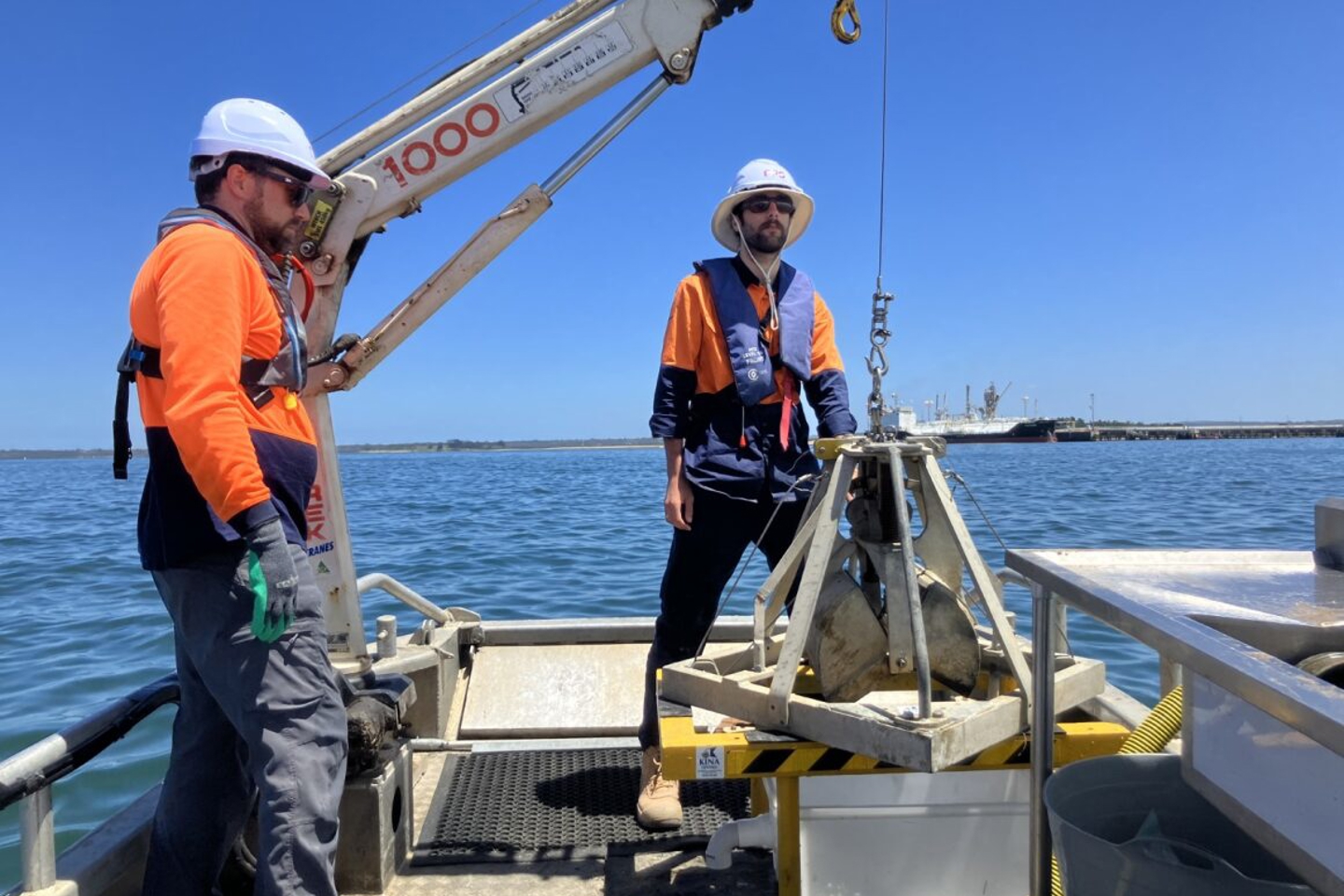
Working in an ecologically significant area with high biodiversity, RPS’ environment team developed and executed a two-to-three-year program of marine, ecological, and water quality monitoring. The program involves collecting data from:
High-resolution mapping of intertidal and subtidal habitats to understand the spatial distribution of different seabed types and their marine biodiversity.
Seasonal studies on fish populations and seagrasses to assess their health and ecological dynamics.
Invertebrate studies in both intertidal and subtidal zones to assess their biodiversity.
Fixed-site water quality monitoring, including designing and operating monitoring equipment that will operate continuously for 13 months.
Mobile water quality sampling over 15 months to document differences in space and time.
To make this collection of complex data accessible and understandable, we developed a comprehensive interactive Power BI dashboard. This tool offers the client and project staff a single point of access to view and interpret the extensive environmental studies in a simple and intuitive way. It also enables informed decision-making and enhances transparency.
The findings from these studies will be crucial for preparing referrals for State and Commonwealth environmental approval processes. This comprehensive data collection will provide the necessary evidence to predict the potential impacts of the proposed Victorian Renewable Energy Terminal – in particular, assessing potential for changes to the ecological character of the Ramsar site.
If the port is approved, it will be capable of supporting offshore wind farm construction of up to 1 GW per year and handle fixed-foundation offshore wind turbines of up to 18 MW.
$ 2 + m
Project value
2023 -
Project timeline


Practice Lead - Marine Science