Scott McPherson
Senior Project Manager
No Content Set
Exception:
Website.Models.ViewModels.Components.General.Banners.BannerComponentVm

Both require substantial investment, but they are competing for the same funding, resources and delivery capacity.
From my experience working with water utilities, this is becoming an increasingly important challenge. Population growth is creating immediate demand for new infrastructure, while a growing volume of ageing assets is placing additional pressure on long-term renewal programs.
This is sometimes described as the asset cliff: the point at which large groups of infrastructure assets, installed during similar periods, begin approaching the end of their expected service lives at roughly the same time. The challenge is no longer simply choosing between growth and renewal. Utilities need to find ways to plan, prioritise and deliver both.
Water utilities manage extensive networks of infrastructure, including water mains, wastewater pipelines, pumps and other assets that support essential services. In parts of South East Queensland, significant quantities of this infrastructure were installed during similar periods of development. As these assets age, utilities can face a concentration of renewal requirements rather than a predictable, evenly distributed replacement program.
The challenge is particularly complex for geographically dispersed networks, where assets interact with roads, development and other infrastructure. Importantly, reaching an expected service life does not automatically mean an asset needs replacing. Its condition, performance and the consequences of failure all influence when intervention is required.
However, when substantial groups of assets begin approaching renewal age together, utilities need a clear understanding of the potential investment and delivery requirements ahead.
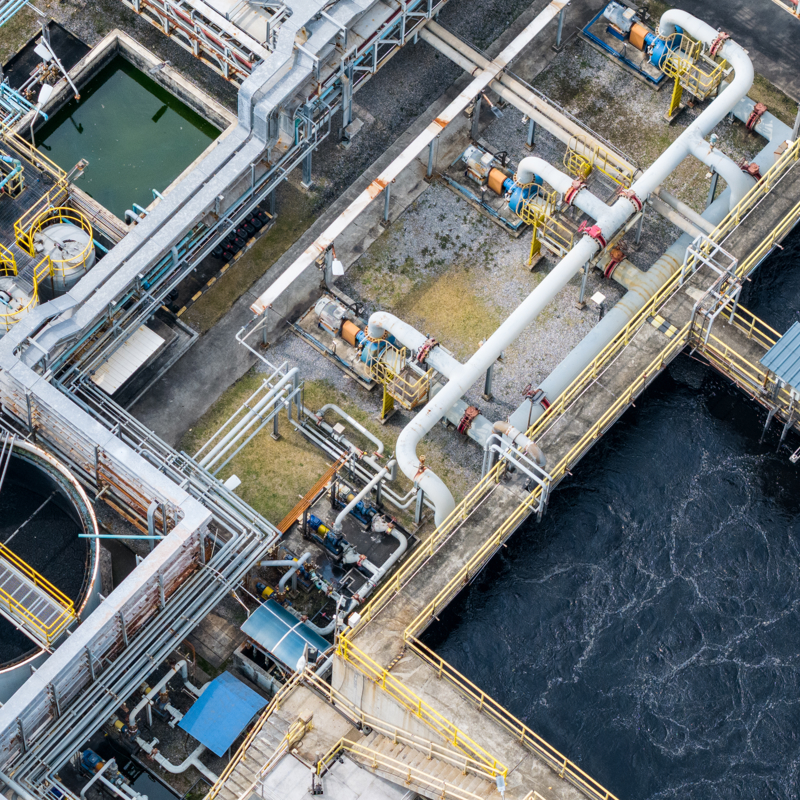
At the same time, population growth is increasing demand for new water and wastewater infrastructure. Utilities must expand their networks to support growing communities while maintaining the assets that existing customers already depend on. This creates competing demands on capital investment, workforce capacity, engineering expertise and delivery resources.
Growth projects often attract greater attention because their benefits are more immediate and visible, particularly where new infrastructure is required to support development, customer demand or service expansion. Renewal requirements, by comparison, can be less apparent while existing assets continue operating, even where deterioration may increase the likelihood or consequences of failure.
Under funding pressure, this can create a risk that renewal investment is deferred in favour of more visible infrastructure projects, even when the potential impacts of asset failure are significant.
While deferring some renewal works may be appropriate, investment priorities should not be determined by visibility alone. A consistent, risk-based approach needs to consider the requirements and benefits of both growth and renewal, including whole-of-life asset performance, service reliability, safety, environmental obligations and infrastructure resilience. This helps ensure that less visible renewal needs are properly assessed and that today's decisions do not create greater investment and delivery pressures in the future.
The challenge is making those decisions with visibility of both immediate needs and longer-term consequences.
One of the risks associated with the asset cliff is that renewal requirements may become increasingly concentrated if investment is repeatedly deferred. Moving expenditure into later years can provide short-term budget flexibility. However, it may also increase the volume of work that needs to be planned, funded and delivered within a narrower timeframe.
This is not an argument for replacing every ageing asset immediately. That would be neither practical nor necessarily the best use of available capital.
Instead, utilities need to understand which renewal activities can be deferred, what risks that creates and how those decisions affect future investment requirements. Long-term planning becomes particularly important when growth and renewal programs are drawing on the same limited delivery capacity.
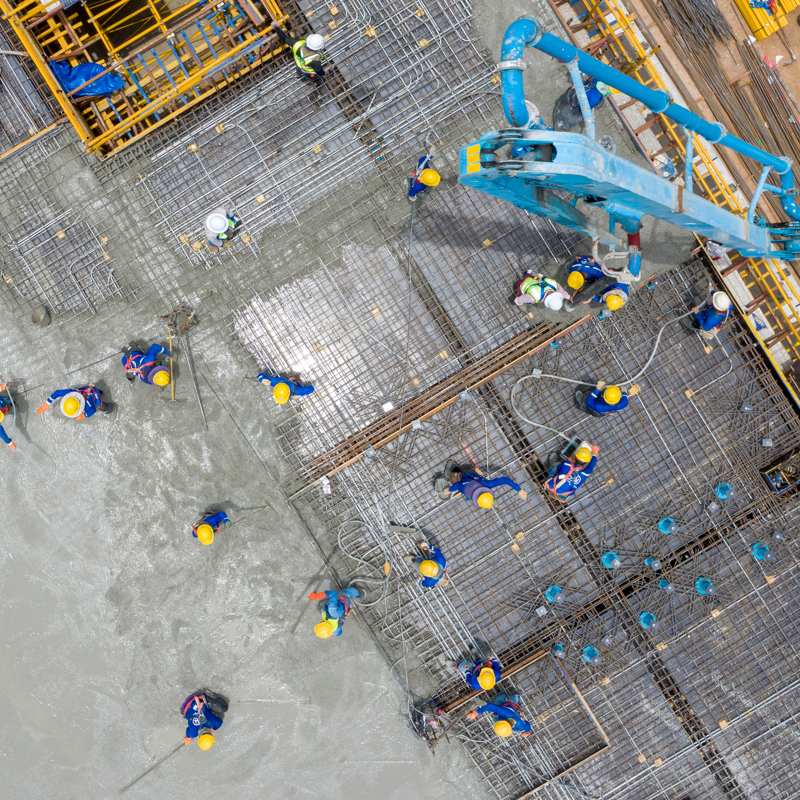
When utilities cannot renew everything at once, prioritisation becomes critical. Asset age is one consideration, but it does not provide a complete picture of whether an asset requires replacement.
A more informed approach considers condition, likelihood of failure, criticality and the potential consequences for customers and service delivery. Better asset information can help utilities identify where intervention is most important and where existing infrastructure may remain in service safely for longer. This is where data and risk-based asset management become increasingly valuable.
Many utilities already use risk-based approaches, but improving the quality and application of asset information can support more informed decisions about the timing and sequencing of renewal works. The objective is not simply to extend asset life. It is to direct investment where it is most needed while maintaining safe, reliable services.
Understanding which assets require attention is only one part of the challenge. Utilities also need realistic plans for funding and delivering that work. In my experience, asset management planning and capital delivery arrangements do not always align as closely as they should.
An organisation may have a long-term view of its renewal requirements, but translating those priorities into deliverable programs involves additional considerations. Projects need to be scoped, budgets developed, resources allocated and delivery activities coordinated alongside growth investment.
Renewal projects can also be particularly challenging to deliver because works often involve assets that are already providing essential services to existing customers. Maintaining operations, managing interfaces with live infrastructure and minimising customer disruption can introduce additional planning and delivery requirements. Some growth projects, by comparison, primarily address future demand, although their delivery can also affect existing networks and communities.
This requires a strong connection between asset strategy, investment planning and capital delivery, supported by appropriate governance, project controls and decision-making processes. RPS works with water utilities across investment planning, advisory, project and program management, helping clients manage complex capital portfolios and establish practical delivery arrangements.
The opportunity is to connect long-term asset needs with achievable programs of work, giving utilities greater confidence in how investment priorities translate into delivery.
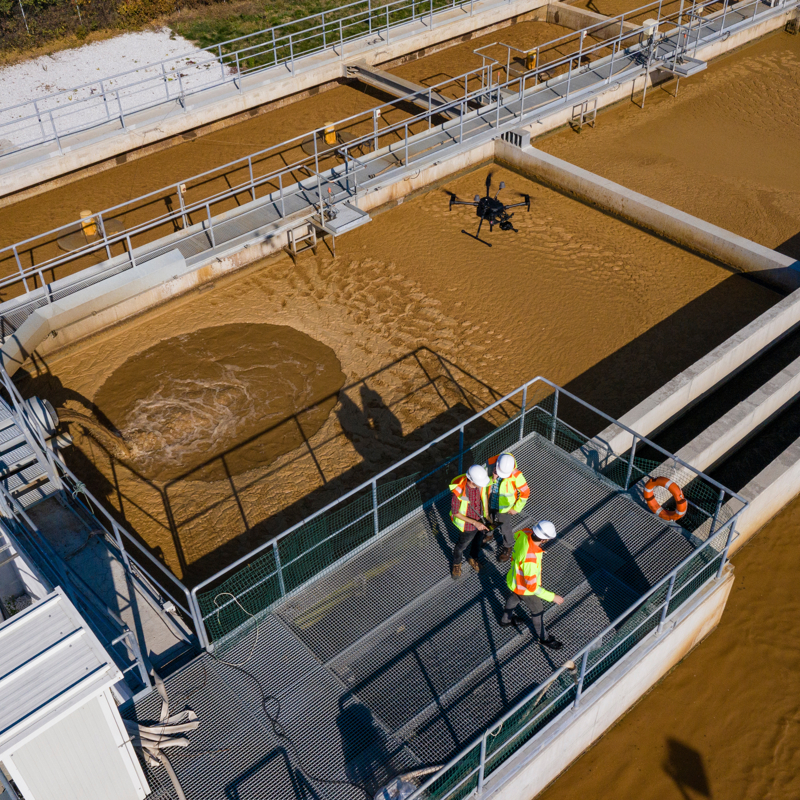
The asset cliff presents a significant planning challenge, but it also reinforces the importance of taking a longer-term view of infrastructure investment.
Water utilities cannot focus exclusively on growth while overlooking renewal, nor can they prioritise replacing existing assets without considering the needs of expanding communities. The stronger approach is to bring both requirements into the same investment conversation.
With better asset information, risk-based prioritisation and delivery planning, utilities can make more informed decisions about where capital is directed and how work is delivered. Ultimately, managing the asset cliff is not simply about replacing ageing infrastructure. It is about creating the visibility, investment strategy and delivery capability needed to support both existing and future communities.
Senior Project Manager