Arthur Stamatoudis
Executive Director - Advisory
No Content Set
Exception:
Website.Models.ViewModels.Components.General.Banners.BannerComponentVm

In delivering Australia’s 2024/25 Budget on Tuesday night, Federal Treasurer Dr Jim Chalmers, spoke about two things. Money set aside for rapid action on current economic challenges, and continued investment in long-term goals.
Cost of living relief was – quite rightly – the order of the night. But significant funding commitments were also made towards transformation in sectors like education, health and aged care, and the development of emerging industries like green hydrogen, critical minerals, and clean energy manufacturing.
I was, as ever, interested in what the Budget will mean for the infrastructure industry. Where will federal funding commitments take us in terms of the projects we will deliver in coming years? What’s different from the Budget before, and how ready are we for any shifts?
Depending on where you sit in industry, the last twelve months could well have been a discouraging time. A number of high profile projects were mothballed, and there’s been a fair amount of reprioritisation going on. So, it was encouraging to see that the Budget is still backing infrastructure.
Australia is facing a housing crisis, so the Government has committed $6.2 billion to new housing investment. An additional $1 billion will be kicked to the states and territories to help them build more homes. Direct investment will be vital in addressing the problem. But increasing housing supply is only one part of the puzzle. Housing affordability is a broader issue. So, it’s encouraging to see a healthy $16.5 billion allocated for infrastructure projects that will help ease the pressure.
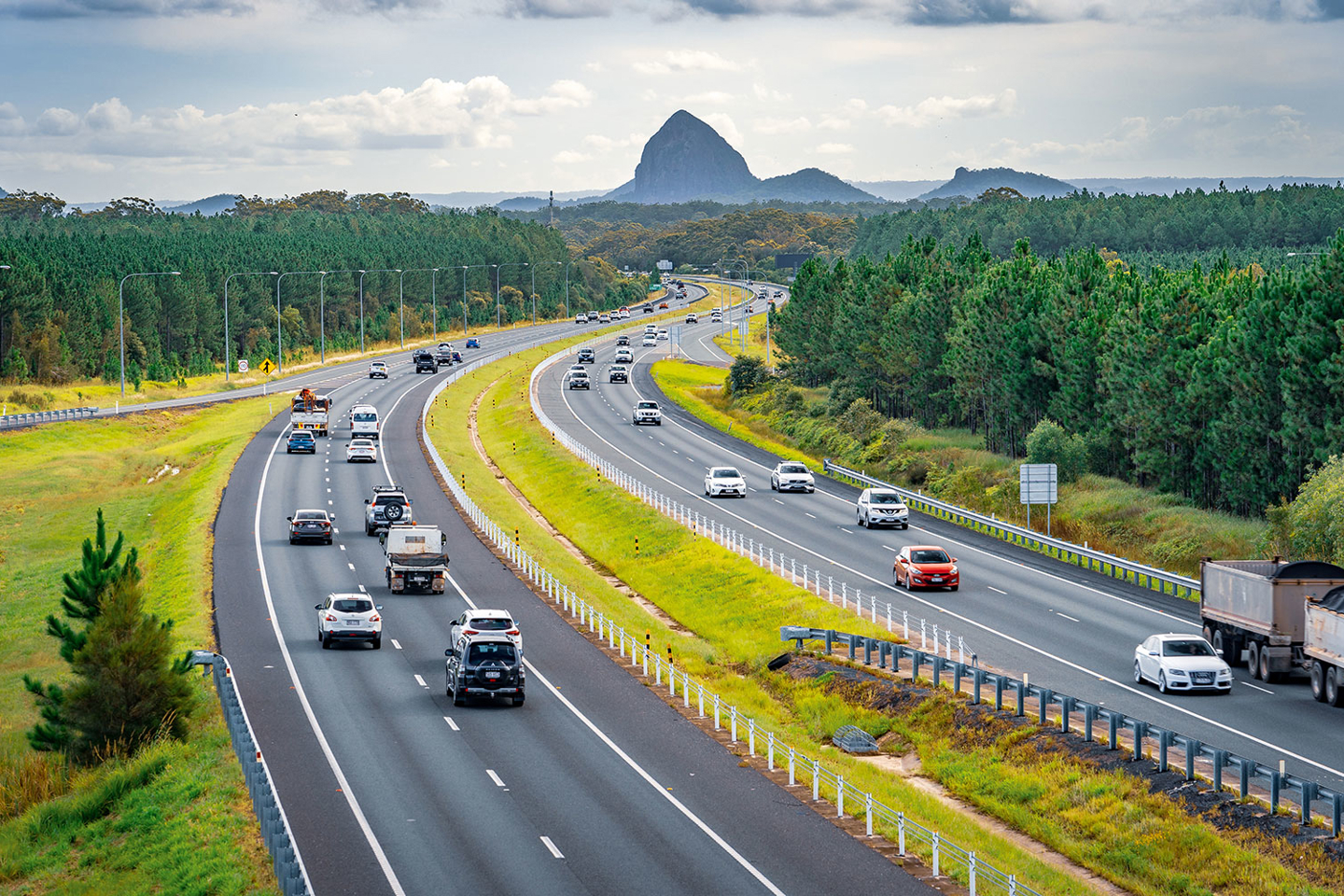
In my home state of Queensland, $2.75 billion has been committed by the Commonwealth for the Direct Sunshine Coast Rail Line, the first stage of which will be a 19 kilometre connection from Beerwah to Caloundra. Eventually, the line will make the commute between Brisbane and the Sunshine Coast that much quicker and easier. And if you’ve ever made the drive on the Bruce Highway in peak hour, you know just how valuable this investment will be for residents of the Sunshine Coast, Moreton Bay, and Brisbane’s northern suburbs. Rail isn’t the only winner, with $467.2 million committed for upgrades to the Bruce itself.
Not all of the infrastructure projects are as “big ticket” as Sunshine Coast Rail or the $1.7 billion allocated to METRONET initiatives in Perth. Projects might be less “mega” than we’ve seen previously, but this infrastructure is still important for Australian prosperity. Without investment in quality transport that connects workers to jobs, our housing affordability woes will only continue.
One of the biggest barriers to success in infrastructure delivery is ensuring there are enough people with the right skills to bring projects to life. And with the Budget allocating billions to housing, transport, social infrastructure and defence projects, there’s going to be a lot of construction going on. The question quickly becomes: does the market have the capacity and capability to keep pace with pipeline? The Budget recognises this, with $88.8 million allocated for 20,000 new training places for construction-related workers, and $55.6 million to support women's careers in clean energy, among other investments in skills.
When it comes to projects, I think just about everyone working in renewables ears pricked up when Treasurer Chalmers said that the Government would “strengthen and streamline approvals across environmental, planning, cultural heritage, and foreign investment.”
In terms of the Budget numbers, this equates to:
The Government is also committing to “encourage foreign investment by providing refunds of 75 per cent of application fees for unsuccessful competitive bids”.
If our country is serious about energy transition, we need to make the path to project approvals clearer, simpler, and faster. We also need to reduce the risk profile for potential investors who have the capital to get us there. It’s great to see Budget action on both.
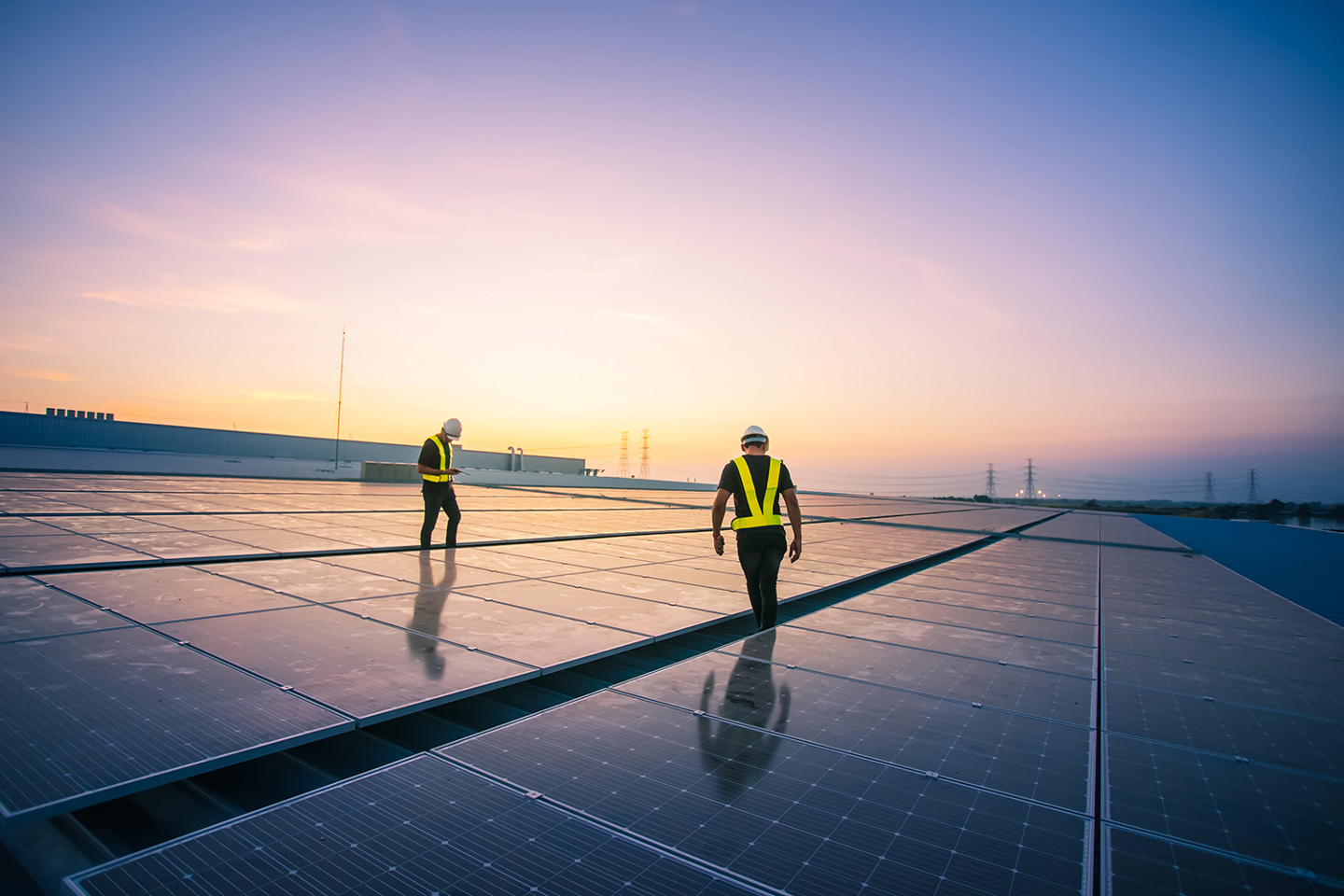
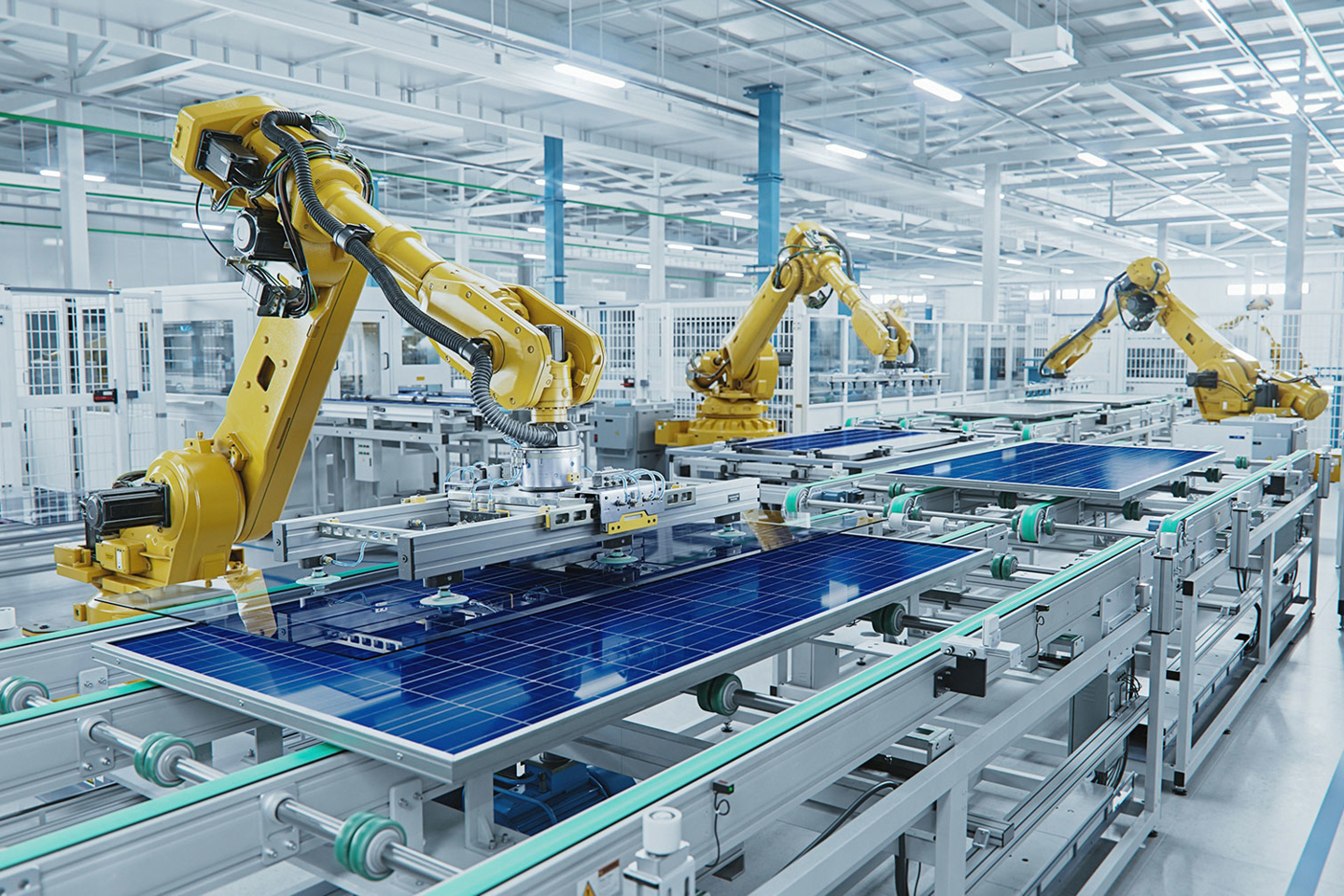
Making Australia a ‘renewable energy superpower’ was a feature of last year’s Budget, and while rebadged under the new moniker of ‘a future made in Australia’, this year’s Budget continues the theme. There’s $6.7 billion in production tax incentives for renewable hydrogen and $1.7 billion to promote net zero innovation, including green metals and low-carbon fuels. A further $1.5 billion has been devoted to strengthening battery and solar panel supply chains through production incentives.
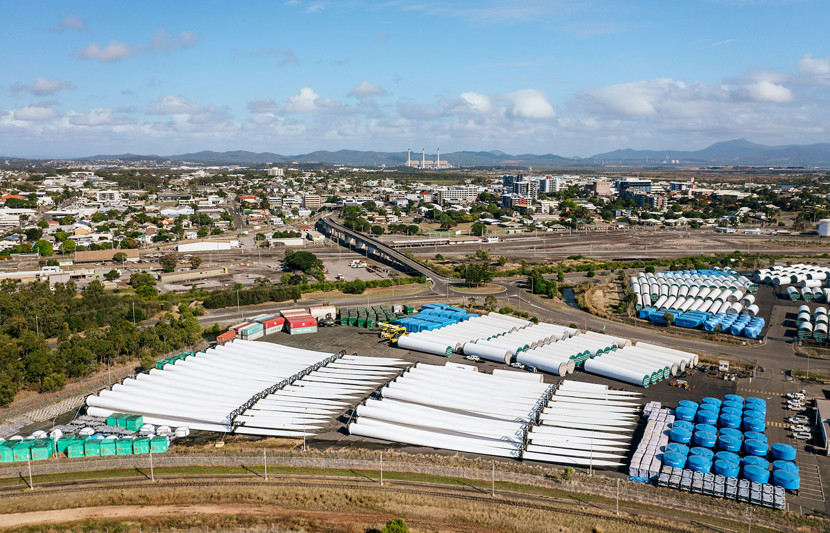
Investment in clean energy capability means investment in clean energy infrastructure. At RPS, a huge amount of our work is already focused on renewables. From offshore wind farms to battery energy storage (BESS) projects and renewable energy zones (REZs), we’re supporting clients to investigate, plan, design and deliver the projects that will literally power our future.
The scope of renewable energy investment in this year’s Budget proves that energy transition is a new locus of identity for Australia’s infrastructure sector – and will be for decades to come.
In delivering his Budget speech, Treasurer Chalmers spoke about how the 2024/25 Budget was “framed in fraught and fragile global conditions”.
He pointed out the ongoing challenges posed by lingering inflation in the US, slow growth in China and Europe, global supply chains under pressure, and the geopolitical specter of conflicts in Ukraine and the Middle East. He talked about the need to offer rapid cost of living relief, while walking the line on inflationary spending.
This week, the media coverage will mostly be about Stage 3 tax cuts and $300 energy rebates. These measures are as universal as you get when it comes to Government spending, so it’s natural that people will focus on that part of the story. But for those of us who work in infrastructure, it’s encouraging to investigate some of the other plot lines in this year’s Budget narrative.
A few years ago, I was writing about how infrastructure was a key lever that the Government could use to pull us out of the economic stasis brought about by COVID. This year’s Budget reveals that no matter the economic challenges we are trying to address, infrastructure is always part of the answer.
Executive Director - Advisory